With the rapid development of artificial intelligence (AI), the healthcare industry is undergoing an unprecedented transformation. From precise diagnostics to personalized treatment, the application of AI is improving medical efficiency, enhancing patient experiences, and bringing immense innovation to global healthcare systems. As AI-driven medical tools and AI healthcare products become more widely adopted, an increasing number of medical institutions are leveraging this technology to solve problems inherent in traditional healthcare methods. In this article, we’ll explore AI applications in healthcare, and recommend several related products to help healthcare professionals and patients better utilize AI technologies.
AI in Healthcare Diagnostics: Enhancing Precision and Efficiency
One of the earliest applications of AI in healthcare is in medical imaging analysis. Medical imaging (such as CT scans, X-rays, and MRIs) often requires careful interpretation by healthcare professionals, but AI systems can quickly analyze large volumes of imaging data and identify potential diseases. AI has shown great promise, especially in detecting cancer, cardiovascular diseases, and other conditions at an early stage.
For example, Zebra Medical Vision provides an AI medical imaging analysis platform that automatically detects abnormalities in CT and X-ray images, helping doctors identify early symptoms of cancer, heart disease, and more. This technology not only increases diagnostic speed but also reduces misdiagnosis rates, which is crucial for hospitals and clinics looking to improve the quality of care.
Additionally, AI can assist doctors with disease prediction, particularly in chronic diseases and genetic conditions. AI systems analyze patient electronic health records, genetic data, and lifestyle habits to offer accurate disease predictions. This technology allows doctors to detect health risks earlier and implement personalized prevention strategies.
Practical Products:
- Zebra Medical Vision: AI-driven imaging platform that automatically detects diseases and improves diagnostic efficiency.
- Tempus: Uses AI and genomics to provide precise cancer diagnosis and treatment.
Innovative Applications of AI in Personalized Medicine
With the increasing demand for personalized treatment, AI analyzes patient genetic data, medical records, and lifestyle habits to create customized treatment plans for each patient. AI’s ability to combine big data enables it to provide personalized treatment recommendations, reducing side effects and enhancing effectiveness.
For example, IBM Watson Health leverages AI to offer personalized treatment plans by analyzing patient genetic data and identifying potential hereditary conditions. In oncology, Watson’s AI capabilities help doctors provide individualized treatment options, ensuring patients receive the most suitable treatment based on their genetic characteristics.
Moreover, AI is accelerating drug development. Traditional drug discovery is time-consuming and costly, but AI can simulate interactions between different molecules, helping researchers rapidly identify potential therapeutic candidates. This AI-driven approach significantly shortens the drug development cycle and reduces costs, enabling new drugs to enter clinical trials sooner.
Practical Products:
- IBM Watson Health: AI-driven precision medicine platform to help cancer patients develop personalized treatment plans.
- Google DeepMind Health: Uses deep learning to advance early screening for cancer and drug development.
AI-Assisted Surgery: Precision and Safety
AI is also revolutionizing surgery, especially in the areas of precision and minimally invasive procedures. AI-powered surgical robots can assist surgeons by providing real-time data to help make more accurate decisions, reduce human error, and improve surgical outcomes. These robots can perform highly precise minimally invasive surgeries, which reduce recovery time for patients.
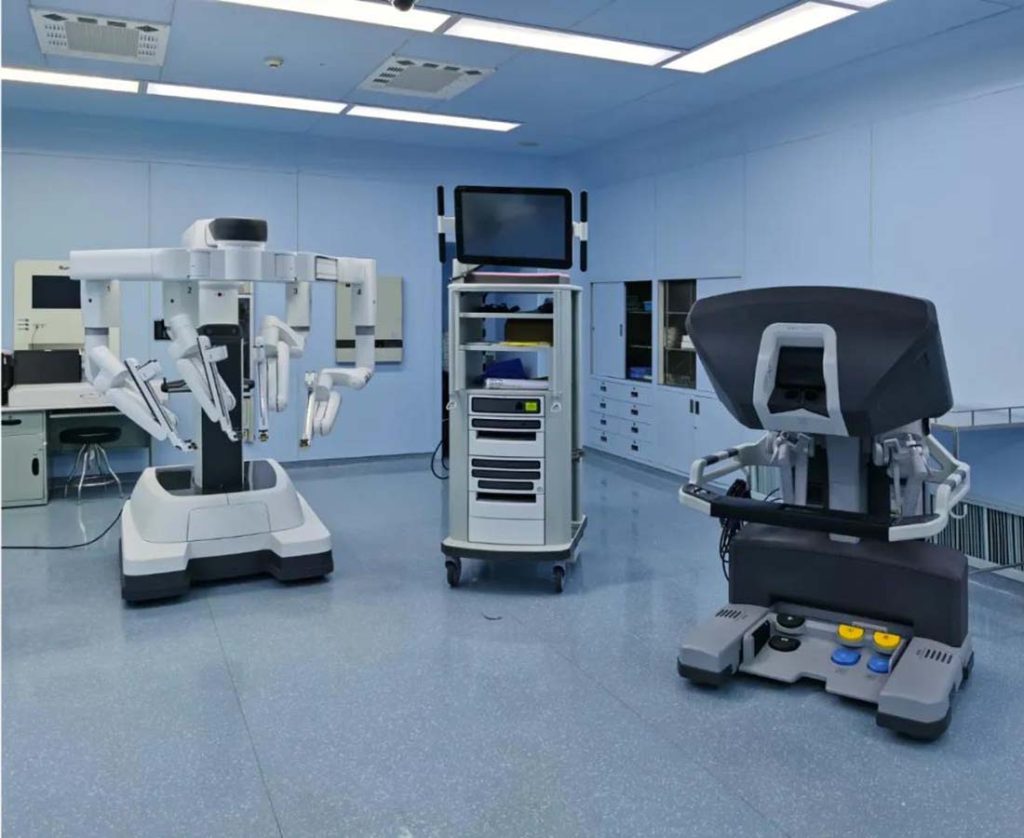
The da Vinci Surgical System (from Intuitive Surgical) is one of the most well-known AI-powered surgical systems. By analyzing a patient’s vital signs in real-time, it assists surgeons during surgery. The da Vinci system’s main advantage is its ability to perform minimally invasive surgeries, leading to shorter recovery times, reduced bleeding, and lower risk of infection.
Furthermore, Surgical Theater combines virtual reality (VR) and AI to simulate surgeries before they take place, allowing surgeons to plan and choose the most suitable approach. This “pre-surgical planning” greatly reduces risks and increases precision.
Practical Products:
- da Vinci Surgical System (Intuitive Surgical): Minimally invasive surgery using AI to improve precision and safety.
- Surgical Theater: Combines virtual reality and AI to simulate surgical procedures and reduce risks.
AI in Telemedicine and Health Monitoring
AI technology is also showing tremendous potential in telemedicine and health monitoring. Especially in remote areas, AI-driven telemedicine solutions overcome geographic barriers, providing timely medical services to patients.
For instance, Babylon Health offers an AI-powered telemedicine platform that allows patients to interact with an AI system via their smartphones and quickly receive health advice and initial diagnoses. For patients needing further treatment, the platform also provides video consultations with doctors. This convenient approach to healthcare improves accessibility, especially for patients in underserved regions.
In health monitoring, AliveCor KardiaMobile provides a portable electrocardiogram (ECG) device that allows users to monitor their heart health in real-time. When connected to a smartphone, KardiaMobile uses AI to analyze ECG data, detecting conditions like atrial fibrillation (AFib) and providing users with valuable health insights. This device makes it easier for patients to continuously track their heart health and take timely action when necessary.
Practical Products:
- Babylon Health: AI-powered telemedicine platform providing convenient health consultations and video visits.
- AliveCor KardiaMobile: Portable ECG monitoring device that uses AI to analyze heart health.
Ethical and Privacy Challenges in AI Healthcare
Despite the vast benefits AI brings to the healthcare industry, it also presents challenges in terms of privacy and ethics. How to protect patient data and ensure the fairness of AI decisions are key issues that need addressing.
For example, patient medical data is highly sensitive, and ensuring the security and privacy of this data is crucial. AI systems must comply with strict data privacy regulations, such as GDPR and HIPAA, to prevent misuse of patient information.
Vuno Med, for example, emphasizes data privacy in its AI medical imaging platform, ensuring it adheres to industry standards for data protection. Furthermore, it strives for transparency and fairness, ensuring that AI systems make unbiased decisions in disease diagnostics.
Practical Products:
- Vuno Med: AI medical imaging platform focusing on data privacy and ethical concerns, ensuring patient information is secure.
AI is rapidly transforming the healthcare industry, offering more precise, personalized, and efficient treatment options. From imaging analysis to personalized medicine, robotic surgery to telemedicine, AI is reshaping various facets of healthcare. While challenges related to privacy and ethics remain, AI is poised to play a pivotal role in future healthcare systems as technology continues to advance and regulations evolve. With products like Zebra Medical Vision, Tempus, and Babylon Health, the healthcare industry is entering an era of greater intelligence, precision, and efficiency.










+ There are no comments
Add yours