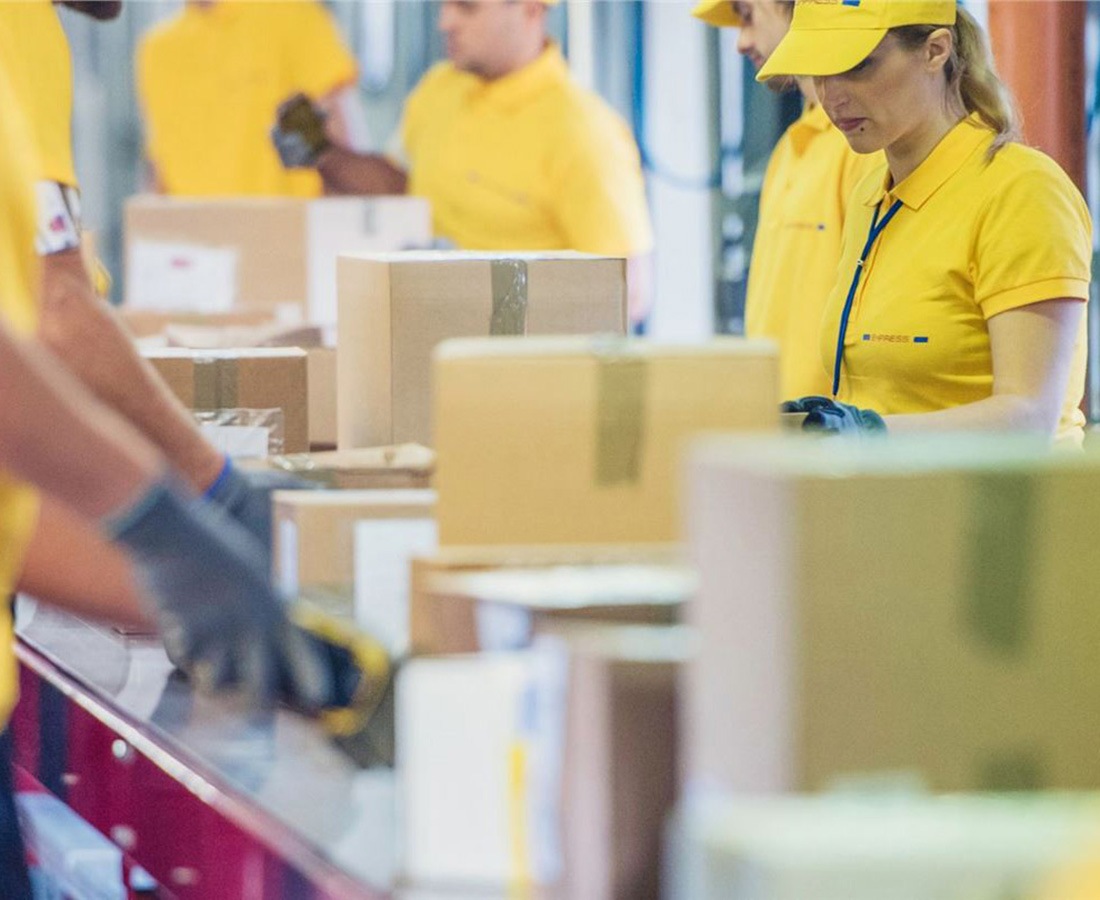
Over the past few years, I have come across an increasing number of different software tools. From personal productivity applications to enterprise management systems, I have gradually noticed a clear trend: almost every industry is undergoing digital transformation, and the logistics and transportation sector is experiencing particularly significant changes.
When I used to think about logistics, I would usually imagine trucks, warehouses, drivers, and delivery teams. I believed that the most important factors in logistics were the number of vehicles and transportation speed. However, after gaining a deeper understanding of the industry, I realized that modern logistics is far more complex than I originally thought.
Behind every truck journey, from departure to final delivery, there are multiple processes involved, including route planning, transportation scheduling, vehicle management, driver coordination, cost calculation, and customer communication.
For large logistics companies, managing a high volume of transportation tasks every day can be extremely challenging. If they rely on phone calls, manual records, or personal experience alone, problems such as delayed information, inefficient routes, and increased operating costs can easily occur.
I started paying attention to logistics software because I wanted to understand how digital tools could transform traditional industries. While researching different transportation management platforms, I came across IMPARGO. Initially, I simply wanted to understand what problems it could solve for logistics companies. However, as I explored further, I realized that modern transportation management systems are no longer just simple data-recording tools. They have gradually become essential infrastructure for improving business efficiency.
From Manual Dispatching to Intelligent Management: A New Understanding of Logistics Systems
Before exploring logistics software, my understanding of transportation management was relatively simple. I thought the main responsibility of a logistics company was simply to arrange vehicles and deliver goods to their destinations.
However, after learning more about the industry, I discovered that dispatchers face many complex challenges every day. When multiple customers require transportation services at the same time, companies need to consider vehicle availability, driver schedules, cargo requirements, and customer delivery deadlines.
In the past, many small and medium-sized logistics companies relied heavily on experienced employees to handle dispatching decisions. This approach could work when business volume was limited, but as transportation demands increased, manual management often became less efficient.
A poor route decision could result in unnecessary driving distances, while delayed communication could affect the entire transportation plan.
This is where the value of transportation management software becomes clear.
A good software solution does not simply replace employees. Instead, it uses data to help companies make more accurate decisions. While learning about IMPARGO, one of my biggest impressions was that it is designed around real logistics scenarios.
Rather than focusing on only one specific problem, it connects transportation planning, route management, and execution processes, allowing companies to manage the entire transportation workflow more efficiently.
In the past, dispatchers might have spent a significant amount of time checking routes, calculating costs, and contacting drivers. With professional transportation management software, these tasks can be completed much faster.
I believe the key value of tools like IMPARGO is helping logistics companies move from traditional experience-based management toward data-driven management.
Route Planning Is More Than Navigation: How Professional Software Solves Transportation Challenges
Previously, I thought route planning simply meant opening a map application, entering a destination, and choosing the fastest route. However, after learning more about logistics transportation, I discovered that there is a significant difference between regular navigation and professional transportation planning.
For everyday drivers, reaching a destination as quickly as possible may be the main goal. But for logistics companies, choosing the right route requires considering many additional factors.
For example, can large trucks access certain roads? Are there vehicle restrictions along the route? How much will toll fees cost? What will the fuel consumption be? Can drivers complete the delivery within the required timeframe?
All of these factors directly affect transportation efficiency.
A shorter route does not always mean lower costs. If there are road restrictions or expensive toll roads, the final transportation cost may actually increase.

While exploring the route planning capabilities of IMPARGO, I realized that logistics companies do not simply need standard map services. They need transportation-specific route planning designed for commercial operations.
The goal is to achieve the best balance between time, cost, and efficiency while meeting transportation requirements.
For logistics companies, saving just a few minutes on a single route may not seem significant. However, when hundreds or thousands of transportation tasks are completed regularly, these small improvements can create substantial long-term efficiency gains.
The value of modern logistics software lies in helping companies identify potential problems before they happen instead of reacting after issues occur.
From Vehicle Tracking to Driver Collaboration: How Digitalization Changes Transportation Operations
Logistics transportation is not only about route planning. More importantly, it involves managing the execution process after the plan is created.
In the past, many transportation companies relied on phone calls, emails, or messaging applications to communicate with drivers. As the number of transportation tasks increased, this approach often created problems with information synchronization.
For example, if a truck encounters traffic congestion and the driver does not immediately provide an update, dispatchers may struggle to adjust future plans. When customers ask about shipment status, companies may need to manually confirm the latest information.
Modern transportation management systems are changing this process.
An effective platform should not only help companies assign transportation tasks but also make the entire transportation process more transparent.
While exploring IMPARGO, I found that it focuses not only on transportation planning but also on tracking changes during task execution.
For dispatchers, it provides clearer visibility into transportation progress. For drivers, it offers more accurate task information. For customers, it enables more reliable shipment updates.
This is one of the biggest differences between digital logistics and traditional logistics.
In the past, logistics management often depended on people actively searching for information. Today, digital systems can automatically collect, organize, and analyze information, helping companies improve overall efficiency.
Transportation Cost Control: Why Logistics Companies Need Professional Software
One of the biggest challenges in the logistics industry has always been cost control.
Transportation costs include much more than fuel expenses. They also involve vehicle maintenance, driver labor costs, toll fees, and vehicle utilization rates.
Many companies struggle with profitability not because they lack orders, but because hidden costs throughout the transportation process are not effectively controlled.
For example, the same shipment can have completely different transportation costs depending on route planning. Similarly, the same number of vehicles can achieve very different efficiency levels depending on how they are scheduled.
In the past, companies mainly relied on experience to manage these issues. However, as competition in the logistics industry becomes stronger, traditional experience alone is no longer enough.
Companies need more accurate data and better insights.
I believe the value of IMPARGO is not only in managing transportation orders but also in helping businesses understand efficiency issues throughout their entire transportation process.
Through digital management, companies can identify areas where resources are wasted and optimize their operations based on real data.
For example, they can reevaluate routes with consistently high costs, adjust vehicle usage, and improve resource utilization.
The future competition in logistics will not only be about the number of vehicles a company owns. It will also depend on management efficiency.Having more vehicles does not always create an advantage. If transportation management is inefficient, additional resources may actually increase operational pressure.On the other hand, a smaller company that uses digital tools effectively can improve efficiency and build stronger competitiveness.
The Future of Logistics: Intelligent Management Becomes a Growing Trend
With the development of artificial intelligence, big data, and automation technologies, the logistics industry will continue to experience major changes.In the past, software mainly focused on recording information. In the future, software will become more proactive in helping companies make decisions.
For example, systems may analyze historical transportation data to optimize routes, predict potential delays based on real-time conditions, remind companies about vehicle maintenance needs, and even automatically adjust transportation plans.
From my experience exploring different enterprise software solutions, I believe true digital transformation is not simply about purchasing a tool. It is about integrating technology into daily workflows.
This is especially important in logistics because transportation involves a large amount of real-time information. Only systems that genuinely improve operational efficiency can create real business value.Platforms like IMPARGO represent the future direction of digital transformation in logistics.They connect transportation planning, execution management, and data analysis, making traditional logistics operations more transparent and efficient.After gaining a deeper understanding of logistics software, my biggest realization is that logistics is much more than simply moving goods from one location to another.
It is a complex information management system.Behind every successful delivery are countless decisions involving route selection, cost calculation, driver coordination, and customer communication.The role of digital tools is to help companies make these decisions more accurately and efficiently.IMPARGO impressed me not simply as a software product, but as an example of how the logistics industry is moving toward digital transformation.











+ There are no comments
Add yours