In today’s digital age, software has become an indispensable core tool in both modern life and work. From text editors on personal computers to cloud-based management systems for enterprises, and to mobile apps on smartphones, software profoundly influences our efficiency, creativity, and lifestyle. It is not only an extension of hardware but also a key engine driving the digital economy and promoting innovation.
The significance of software lies not only in its functionality but also in how it enhances productivity, optimizes experiences, and ensures security. As technology continuously evolves, software is undergoing multidimensional development in areas such as AI, cloud computing, and security. To help readers quickly understand the world of software, I will analyze various types, functions, trends, evaluations, and selection guides.
1. Definition and Importance of Software
Software refers to the programs, data, and associated documentation used to perform specific tasks on a computer system. It can be categorized into system software, application software, development software, and cloud software, among other types.
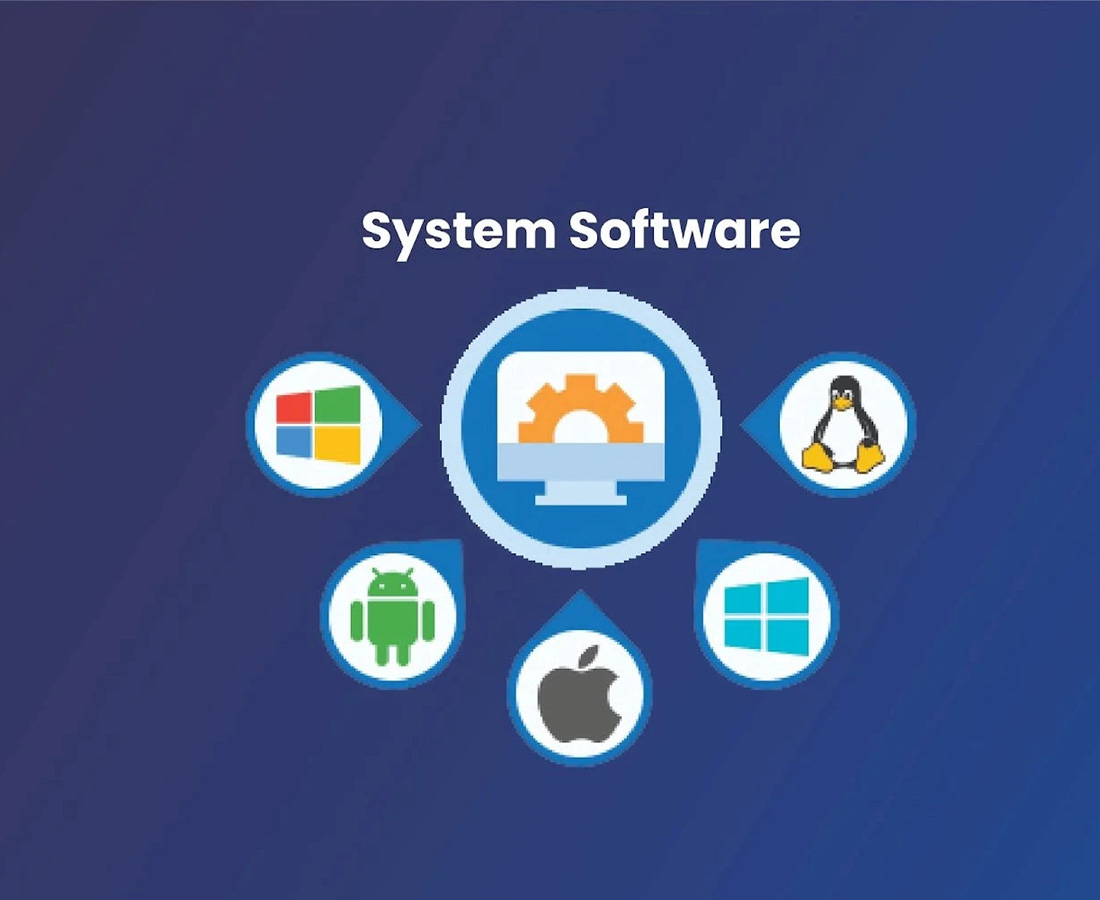
System software, like operating systems, manages hardware resources and provides the basic environment for operations; application software directly serves users for tasks such as office work, design, and entertainment; development software aids programmers in building, testing, and deploying applications; while cloud software (SaaS) enables users to access powerful tools without the need for local installation.
Over the past decades, software has evolved from standalone applications to networked, intelligent, and cloud-based solutions. Each technological upgrade has significantly improved user experience and work efficiency. For example, from the traditional Windows XP to Windows 11, system interfaces have become more intuitive, and backend management has become more efficient; from desktop office software to Microsoft 365 cloud collaboration, team productivity can now be boosted across regions.
2. Major Types and Functions of Software
1. System Software
System software forms the foundation of computer operations, including operating systems, device drivers, system tools, and service programs. It is responsible for coordinating interactions between hardware and applications, providing users with a stable operating environment.
- Features and Advantages:
- Manages hardware resources and optimizes computing performance.
- Provides security and access control.
- Supports multitasking and multi-user operations.
- Review Example:
Windows 11 excels in interface optimization and multitasking. Its built-in security mechanisms (such as Windows Defender and automatic updates) effectively protect the system from malware. At the same time, features like virtual desktops and multi-monitor support improve daily office and creative work efficiency.
2. Application Software
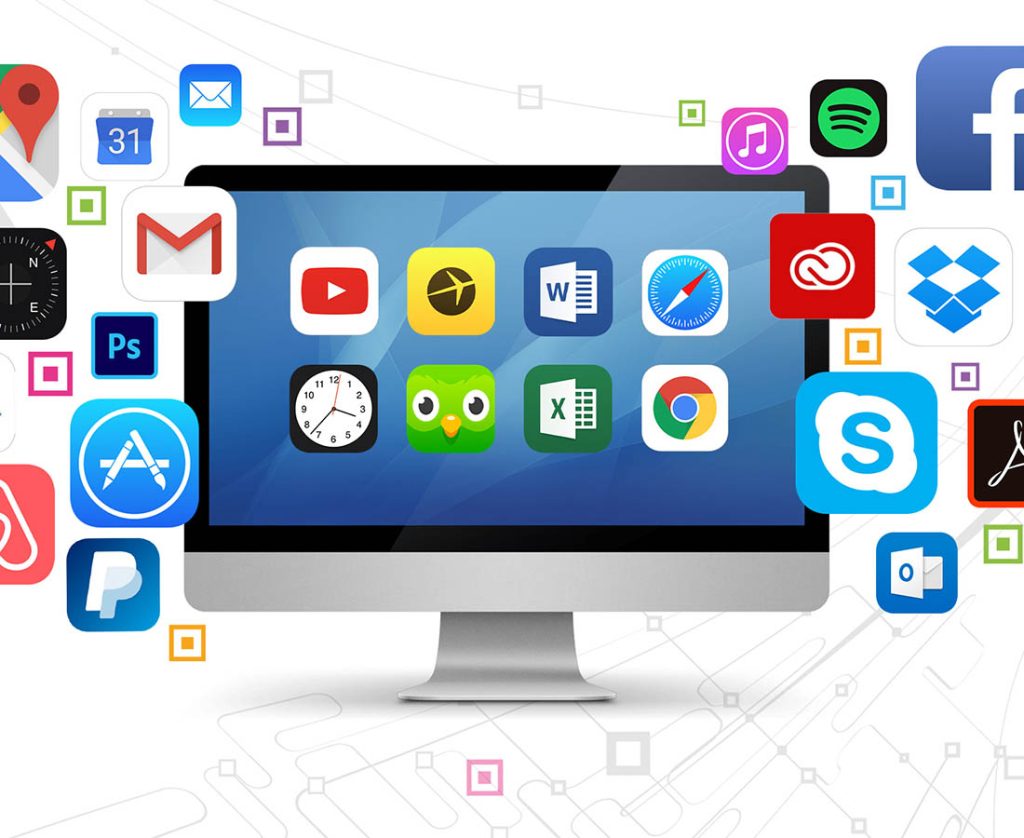
Application software directly provides specific functions to users, such as office work, design, entertainment, and communication.
- Function Categories:
- Office software: Microsoft Office, WPS, Google Docs.
- Design software: Adobe Photoshop, Illustrator, Sketch.
- Multimedia software: Premiere Pro, Audacity.
- Browsers: Chrome, Firefox, Edge.
- Review Example:
Adobe Photoshop 2025 excels in AI-assisted editing and processing large images. Features like intelligent repair tools and automatic selection save significant time, while GPU acceleration makes processing large files smoother. For creators, these enhancements directly affect creative output efficiency.
3. Development Software
Development software assists programmers in building, debugging, and deploying various applications. It includes integrated development environments (IDEs), code management tools, and testing tools.
- Features and Advantages:
- Improves development efficiency, supporting multiple languages and frameworks.
- Integrates debugging, compiling, and version control features.
- Supports automated testing and deployment.
- Review Example:
Visual Studio Code (VS Code) boasts a rich plugin ecosystem, supporting languages such as Python, JavaScript, and C++. Git integration and automated build tools reduce manual operations, boosting development efficiency and collaboration. For small and medium-sized teams, the lightweight and flexible nature of VS Code is particularly useful.
4. Cloud Software (SaaS)
Cloud software allows users to access services via browsers or lightweight apps without the need for local installation, enabling cross-device synchronization and real-time collaboration.
- Feature Advantages:
- Real-time data synchronization, supporting remote work.
- On-demand resource allocation, reducing reliance on local hardware.
- Automatic updates and security protection.
- Review Example:
Notion is an all-in-one SaaS tool for note-taking, databases, and project management. With templates and database functionality, users can quickly set up knowledge management and team collaboration systems. Its real-time synchronization and permission management features significantly enhance remote team collaboration.
3. Core Development Trends in Software
1. Artificial Intelligence and Automation
AI is being deeply integrated into office, design, development, and data analysis software. Intelligent recommendations, automated processing, and predictive analysis are gradually becoming standard features. For example, Adobe Firefly intelligently generates images and optimizes designs based on content, reducing repetitive tasks.
2. Cloud Computing and Cross-Platform Integration
SaaS and cloud office software are becoming mainstream. Solutions like Microsoft 365 and Google Workspace enable seamless collaboration across devices, allowing teams to work together without boundaries. Cloud computing also eliminates the need for high-performance local devices to complete complex tasks.
3. Security and Privacy Protection
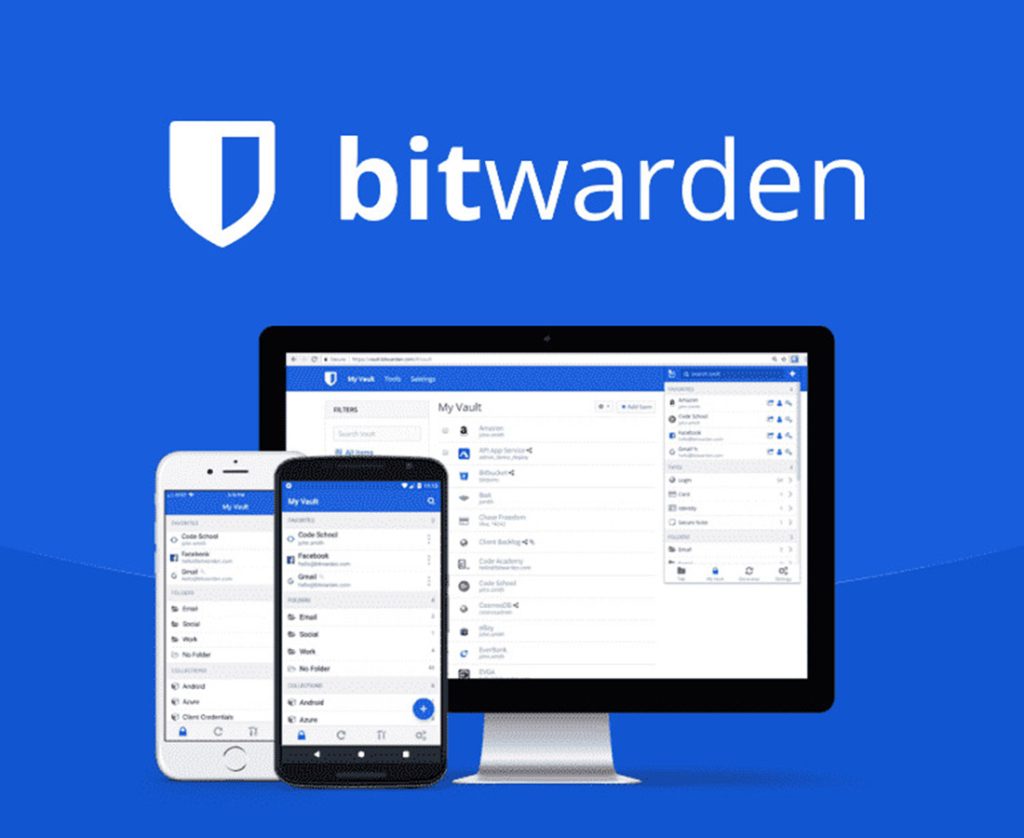
With frequent data breaches and malicious attacks, software security has become a core competitive advantage. Password managers (like 1Password and Bitwarden), enterprise security software, and encryption tools have become essential.
4. Microservices and Lightweight Design
Software is becoming more modular and lightweight, adopting microservices architecture to improve scalability and maintenance efficiency.
4. Selection and Evaluation Guide
When choosing software, the following aspects should be considered:
- Functionality Matching: Does it meet business or creative needs?
- Performance and Stability: Running speed, resource consumption, crash rates.
- User Experience: Interface design, operational logic, learning curve.
- Security: Regular updates, vulnerability fixes, data encryption.
- Support and Community: Official support, active user community.
5. Practical Evaluation Experience
Based on my experience with ScalaHosting, I have applied the concept of software categorization in the following practical evaluations:
- System Software: Windows 11 performs well in backend management and security, with optimized CPU and memory usage.
- Application Software: Adobe Creative Cloud provides a comprehensive design toolset, with AI features significantly improving efficiency.
- Development Software: VS Code offers an efficient development environment, with rich plugins and convenient version control and debugging features.
- Cloud Software: Notion and Microsoft 365 enable cross-team collaboration, with robust data security and backup mechanisms.
In practical usage, combining the right software platform with a hosting environment (such as ScalaHosting’s cloud service) can significantly enhance work efficiency and creative experience.
6. Future Outlook
In the future, software will become more intelligent, cloud-based, cross-platform, and secure. AI will deeply integrate into data processing, design creation, and program development, enabling more efficient automation; SaaS will become mainstream, reducing hardware dependency and allowing for seamless work from anywhere; security and privacy protection will remain central to software design; lightweight and modular designs will improve scalability and maintainability.
Software is no longer just a tool; it is the core engine driving digital life and work efficiency. By selecting and evaluating software wisely, users can gain a more efficient, secure, and intelligent experience.








+ There are no comments
Add yours