
Over the past few years, I have explored a wide range of software products. From personal productivity tools to enterprise management platforms, I have gradually noticed a clear trend: more and more traditional industries are improving efficiency through digital solutions.The logistics and transportation industry is one of the areas experiencing significant transformation.
When I used to think about logistics, I usually imagined trucks, warehouses, drivers, and delivery routes. Many people assume that the core competitiveness of logistics companies depends mainly on the number of vehicles they own and how quickly they can deliver goods. However, after gaining a deeper understanding of the industry, I realized that modern logistics is far more complex than it appears.
Because of this, I became interested in logistics management software and wanted to understand how these digital tools could actually transform the transportation industry.During my research and hands-on evaluation, I tested several representative logistics management systems, including IMPARGO, Motive, Samsara, and Trimble.Although these platforms have different focuses, they share a common goal: helping logistics companies reduce manual management pressure and improve transportation efficiency.
After experiencing these systems, my biggest takeaway is that the future competition in logistics will not only depend on how many vehicles a company owns, but also on how effectively it can manage and utilize these resources.
Why Logistics Companies Are Increasingly Relying on Transportation Management Software
Before testing these platforms, I assumed that logistics management systems were mainly designed for recording orders and tracking vehicle locations.However, after actually exploring them, I realized that modern logistics software provides much more than simple information management.A complete transportation management system needs to help companies solve several key challenges.
The first is transportation planning.
When facing a large number of orders every day, companies need to decide which vehicles should handle specific tasks and how routes should be arranged to reduce empty mileage and improve vehicle utilization.
The second is transportation process management.
After vehicles leave the warehouse, companies need real-time visibility into transportation progress. If delays, route changes, or unexpected situations occur, managers need to adjust plans quickly.
The third is data analysis.
Long-term transportation operations generate large amounts of data, including vehicle usage, transportation costs, driver efficiency, and route performance. When properly analyzed, this information can help companies continuously optimize their operations.
This is where I believe logistics software creates its greatest value.
First Experience: IMPARGO — A Logistics System Focused on Commercial Transportation Scenarios
Among the platforms I tested, IMPARGO left one of the strongest impressions on me.
When I first explored IMPARGO, I mainly focused on its route planning capabilities. However, after learning more about the platform, I realized that it is not just a routing tool but a comprehensive management system designed around the real needs of transportation companies.
Many standard navigation applications can tell users how to reach a destination, but logistics companies need to consider much more complicated factors.
For example, is a certain road suitable for large trucks? Are there vehicle restrictions along the route? What will the estimated transportation cost be? Can the delivery schedule meet customer requirements?
All of these factors can influence the final transportation plan.
While using IMPARGO, I noticed that it focuses more on commercial transportation logic rather than ordinary driving navigation.
For logistics companies, the best route is not always the shortest route. Instead, the ideal solution requires balancing time, cost, safety, and vehicle conditions.
This was one of the aspects that impressed me the most.
For example, the same transportation task may produce different results depending on the selected route. Fuel consumption, toll costs, and driver working hours can all be affected. When a company handles hundreds of transportation tasks every day, these small differences can accumulate into significant cost savings over time.
Beyond route planning, IMPARGO also showed me the importance of connecting different transportation processes through digital systems.
In traditional transportation management, different tasks are often separated. Orders may be recorded in spreadsheets, routes checked through maps, communication handled through phone calls, and cost calculations completed separately.
The biggest problem with this approach is fragmented information.
With a transportation management system, companies can bring these processes together, improving transparency and operational efficiency.
Based on my experience, IMPARGO is particularly suitable for companies that want to improve transportation planning efficiency while reducing manual coordination efforts.
Second Experience: Motive — Stronger Focus on Fleet Management and Driver Safety
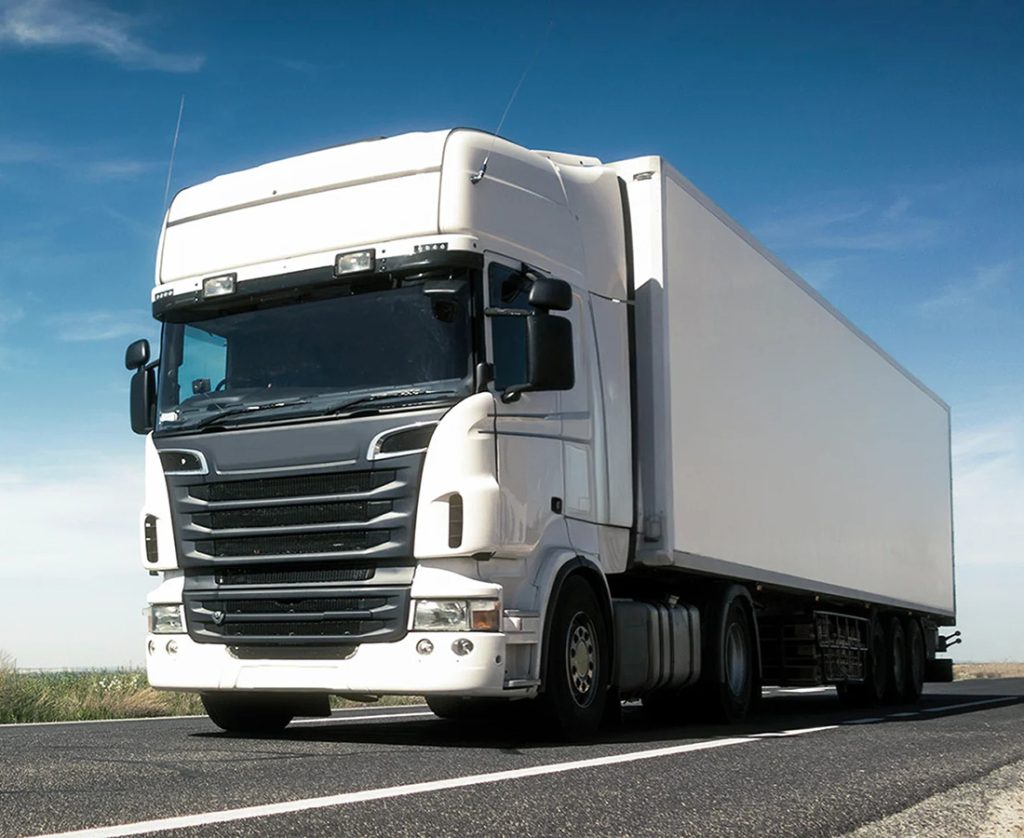
Compared with IMPARGO, Motive gave me a stronger impression of being centered around vehicle management.For logistics companies, vehicles are among their most important assets.When vehicles operate, how drivers perform, and whether safety risks exist are all critical concerns for businesses.Motive performs strongly in fleet management.Through its features, companies can better monitor vehicle conditions and driver behavior. For example, businesses can understand vehicle usage patterns and help managers identify potential issues.For companies operating large fleets, vehicle management is extremely important.If maintenance is delayed, transportation schedules may be affected. If drivers develop unsafe driving habits, operational risks may increase.
However, during my experience, I felt that Motive is more suitable for companies whose primary focus is fleet management.If a business mainly wants to improve vehicle safety, driver management, and fleet operations, this type of solution can be a better match.
However, if the main requirement is complex transportation planning and route optimization, additional software solutions may be needed.
Third Experience: Samsara — Strong Data Integration Capabilities
The biggest impression Samsara gave me was its ability to connect and analyze data.Modern logistics companies generate huge amounts of information every day, including vehicle data, transportation status, driver behavior, and operational records.Without effective utilization, this data is simply information.Samsara focuses on using data to help companies better manage their operations.During my experience, I found that it is suitable for users who want a comprehensive view of their business performance.
For example, managers not only need to know where vehicles are located but also want insights into vehicle conditions, transportation efficiency, and potential operational problems.Data visualization becomes especially important for large enterprises.As companies expand, managers cannot manually check every vehicle one by one.The value of software systems lies in helping businesses quickly identify problems and make better decisions.
However, based on my experience, Samsara offers a wide range of features, which also means there may be a learning curve for new users.For large logistics organizations, this investment can be worthwhile. For smaller transportation companies, it may require careful consideration based on actual business needs.
Fourth Experience: Trimble — Extensive Experience in Professional Transportation Solutions
Trimble has a long history of development in transportation technology.Compared with some newer and more modern software platforms, Trimble feels more professional and industry-focused.It does not only focus on a single transportation process but covers broader transportation operations.For large logistics companies, long-term accumulated data and complex business processes are extremely important.These companies often require deeper transportation management capabilities, including route optimization, resource allocation, and operational analysis.Trimble’s advantage lies in its industry experience.It is not simply providing a software tool but is designed around long-standing challenges within the transportation industry.
However, professional systems like this often come with higher learning requirements.For small companies that are just beginning their digital transformation journey, more time may be needed to fully adopt such solutions.
Comparison of Four Logistics Software Platforms Based on My Experience
After exploring these four platforms, I believe there is no single “best” logistics management system.Different companies need to choose solutions based on their own requirements.
If a company mainly focuses on transportation route planning and overall efficiency improvement, I believe IMPARGO has a noticeable advantage.It is closely aligned with real transportation scenarios and focuses on solving problems related to routes, costs, and transportation process management.
If a company operates a large fleet and wants stronger vehicle management capabilities, Motive may be a better choice.
If a company needs comprehensive data analysis capabilities, Samsara provides a strong data management experience.
If a company requires professional transportation solutions at a larger scale, Trimble offers the advantage of long-term industry expertise.
From my perspective, the future direction of logistics software development is already clear.Companies will no longer need only a simple recording system. They will need intelligent platforms that can support decision-making.
The Future of Logistics Software: From Management Tools to Intelligent Assistants
With the development of artificial intelligence, big data, and automation technologies, I believe logistics software will continue to evolve significantly.In the past, software mainly helped companies record information.In the future, software will become more proactive.For example, systems may automatically recommend routes based on historical transportation data, predict possible delays using real-time traffic information, remind companies about vehicle maintenance based on operating conditions, and even optimize transportation plans automatically.
This means logistics software will gradually transform from a “management tool” into an “intelligent assistant.”After experiencing different logistics systems, my biggest realization is that digital transformation is not simply about purchasing software. It is about changing the way companies manage their operations.The logistics industry generates massive amounts of information every day. If this information cannot be effectively utilized, it becomes a management burden.However, excellent software systems can transform this information into real business value.











+ There are no comments
Add yours