My work revolves around exploring different ideas every day. I spend time looking for new topics, organizing my thoughts, and carefully considering how to create content that truly resonates with my readers. However, I sometimes run into a problem that leaves me feeling a little frustrated: what I think my readers will enjoy isn’t always what they’re genuinely interested in.
In the past, I would usually invite readers to leave comments at the end of my articles or ask for their opinions on social media. Although I occasionally received feedback, these scattered responses made it difficult for me to gain a complete understanding of what my audience really thought.
I wanted to find a more relaxed and engaging way to communicate, one that would encourage readers to share their opinions and help me understand them better.That’s what first drew me to Typeform.
Over time, I’ve come to realize that content creation isn’t just about expressing my own ideas. It’s also about listening carefully to others. Typeform‘s online forms and survey tools offer new possibilities for making these conversations happen more naturally.
Typeform Has Changed the Way I Think About Online Surveys
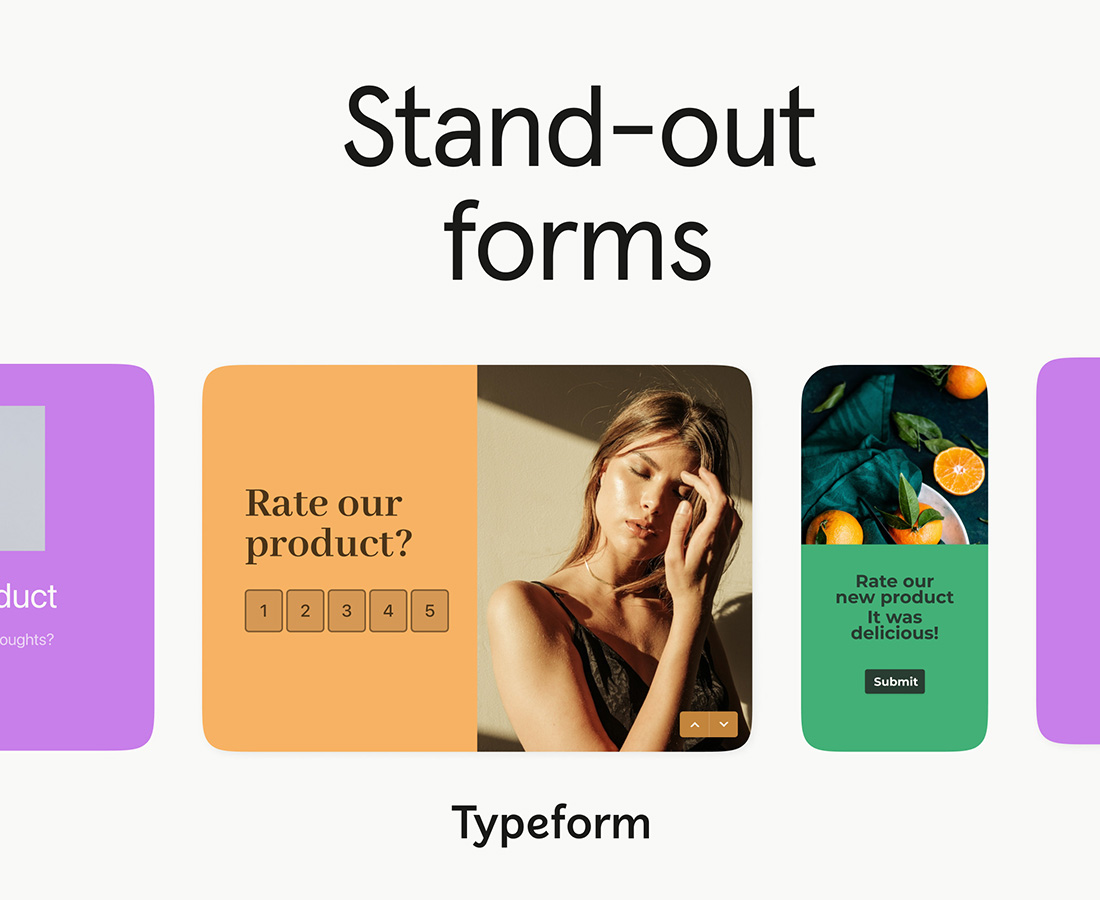
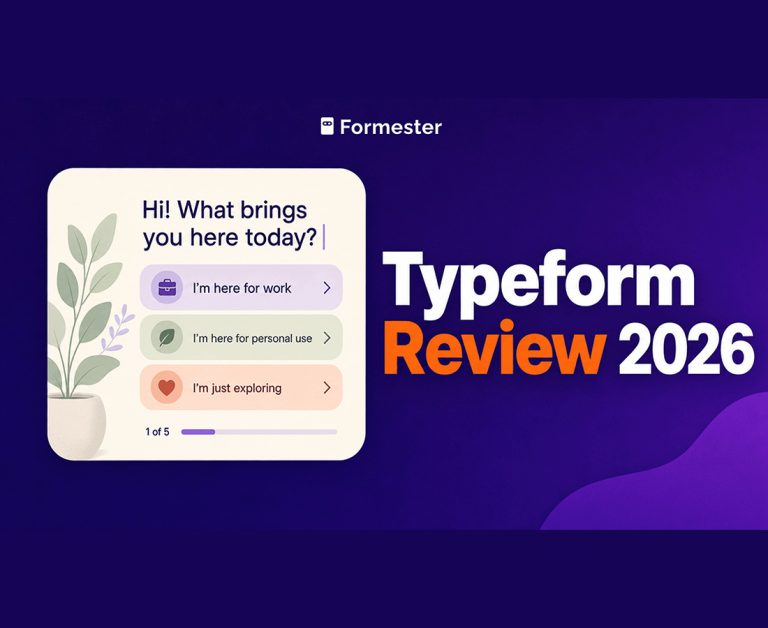
I used to have a fairly ordinary impression of online surveys. I always thought they consisted of pages filled with endless questions, making the whole process feel a little tedious. Typeform, however, feels different to me. Its approach of presenting one question at a time makes the experience feel more like a casual conversation than a mechanical task.
What interests me most is Typeform‘s online form and survey functionality. I don’t need advanced technical knowledge to create forms tailored to my content needs. I can also customize the colors, layouts, and visual elements to reflect my personal style.
For example, when I’m preparing to write a new lifestyle article, I can use Typeform to create a reader survey asking which topics people are most interested in, what kinds of content they’d like to see, and what writing styles they prefer.
I really enjoy the feeling of proactively learning about my readers’ needs. Rather than sitting in front of my computer and repeatedly guessing what people might like, I’d rather give them an opportunity to express their opinions. To me, Typeform is more than just a tool for collecting answers. It has also encouraged me to think more deeply about how to build a more natural relationship with my audience.
Changing My Creative Routine, One Simple Form at a Time
I prefer to start with a few simple questions rather than creating a lengthy survey right away. For example, I might ask readers whether they prefer travel guides, everyday lifestyle stories, or personal growth topics. I could then add an open-ended question that allows them to share what they’d genuinely like to learn more about.
When designing these questions, I pay particular attention to the user experience. I don’t want readers to spend too much time filling out a survey, nor do I want them to feel as though they’re completing an assignment. Typeform‘s interactive format makes it easier for me to organize questions clearly, while its customization features help me maintain a visual style that matches the rest of my blog.
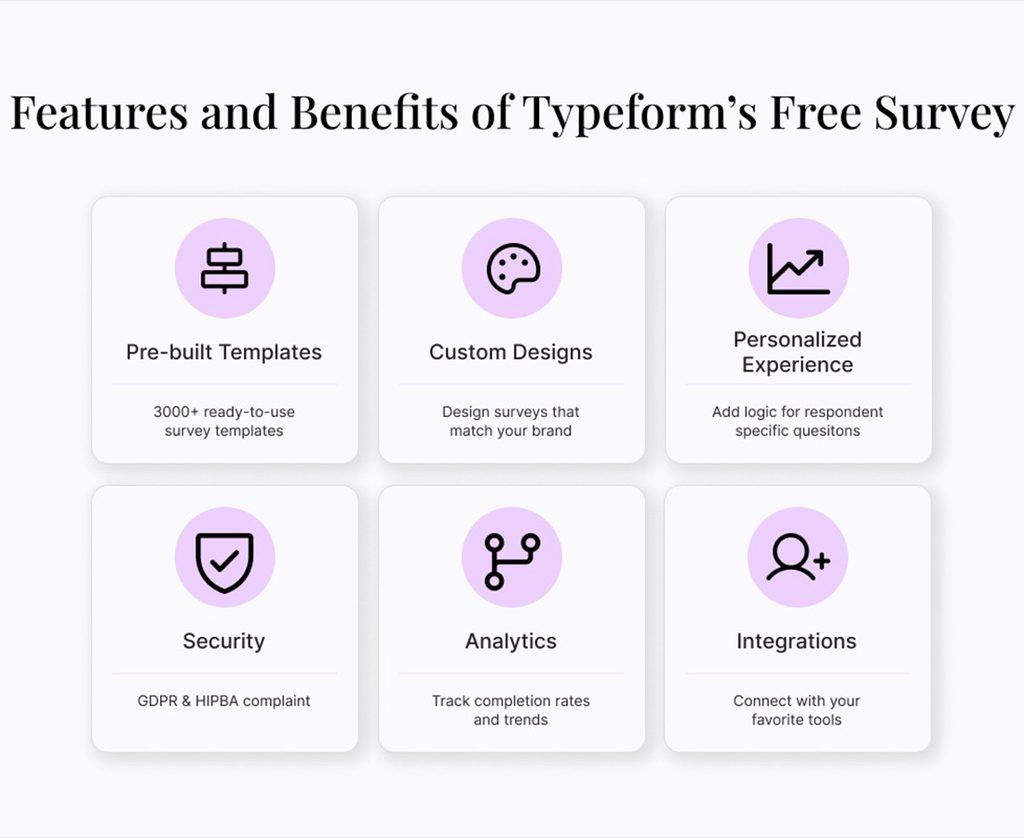
I also appreciate the flexibility to tailor follow-up questions based on different answers. With Typeform‘s logic and branching features, I can guide readers toward relevant questions according to their interests instead of asking everyone to answer exactly the same set of questions. This makes the survey feel more personalized and better suited to different readers.
These details matter a lot to me. I’ve always believed that good communication shouldn’t make people feel pressured. Typeform gives me an opportunity to put that idea into practice and makes me more willing to spend time refining each question.
Finding More Direction for My Next Article
Collecting feedback is only the first step. The real value lies in understanding those responses and turning them into fresh creative inspiration.
When I review the survey results collected through Typeform, I can look for topics that readers mention repeatedly and pay attention to specific suggestions in their open-ended responses. If many people express interest in a particular subject, I’ll think about how best to approach it. Would it work better as a detailed guide, or would readers connect more with a personal story?
I enjoy this process of creating content based on genuine audience interests. It doesn’t mean I have to give up my own voice or creative style. Instead, it helps me maintain my individuality while gaining a clearer understanding of what my readers are looking for.
Of course, I don’t treat every piece of feedback as an instruction I must follow. To me, Typeform provides a window into my readers’ interests, but the final decisions about which topics to cover and how to structure my articles still depend on my own interests and judgment.
I find this balance reassuring. I can continue writing about the things I genuinely love while incorporating more inspiration from my readers along the way.
Efficiency Means More Than Saving Time
I often have to juggle topic research, writing, editing, and publishing. When time is limited, what I most want to avoid is spending too much energy going back and forth without a clear direction.
Typeform helps me turn some of my vague ideas into information I can collect and organize. When I need to examine the results in greater detail, I can also combine the feedback with data tools that suit my needs, making it easier to plan future topics with greater clarity.
What I particularly appreciate is this gradual, practical approach: start by asking a few genuinely important questions, then adjust my direction based on the responses I receive. I no longer feel that I have to figure everything out before I even begin creating something.
For me, Typeform‘s value goes beyond making it easier to build surveys. It has helped me gradually develop a more organized creative routine. I’m beginning to understand that efficiency doesn’t mean filling every minute of my day with tasks. It means focusing my energy on the things that truly matter.
Making Every Conversation Feel More Meaningful
I used to focus primarily on whether an article was finished and whether it contained enough information. Now, I also think carefully about how readers perceive my work and how I can make it easier for them to participate in the creative process.
Typeform gives me a simple and flexible way to gather feedback through online forms, reader surveys, and personalized questions. It hasn’t changed my love of writing, but it has shown me that content creation can offer many more opportunities for meaningful interaction.
I’ve also come to understand that no tool can replace genuine sincerity. What matters most to me is whether readers are willing to take the time to share their thoughts and whether I can listen to those voices and take their feedback seriously.
Looking ahead, I hope to continue incorporating Typeform into my everyday content creation process. By starting with a simple reader survey, I can gradually gather inspiration, discover new ideas, and find content directions that feel right for me.To me, making communication easier isn’t just about reducing the number of steps involved. It’s about bringing expression and listening closer together.






+ There are no comments
Add yours