I’ve always believed that one of the most rewarding parts of writing isn’t just sharing my own ideas, but also finding new inspiration in my readers’ responses. Whenever I receive a thoughtful comment or discover a perspective I hadn’t considered before, I feel that content creation can lead to so many unexpected possibilities.
Sometimes, even an ordinary suggestion can make me reconsider a writing direction I thought I had already settled on.However, I often run into a familiar problem: feedback from readers is scattered across blog comments, social media, and private messages.
Sometimes, I’ll come across a valuable suggestion only to get distracted by something else. By the time I’m ready to organize my ideas and plan future topics, it’s difficult to connect all those thoughts. Occasionally, when I revisit older comments, I even discover opinions I didn’t pay much attention to at the time but that are actually worth exploring in greater depth.
I don’t want these valuable voices to go unnoticed, so I started paying attention to Typeform, hoping to find a more organized way to understand and manage information. To me, communication shouldn’t end the moment a response arrives. If I can identify patterns in feedback and turn them into more meaningful content, then every conversation has the opportunity to make a real difference.
Typeform’s Smart Insights: Helping Me Discover Patterns in Feedback
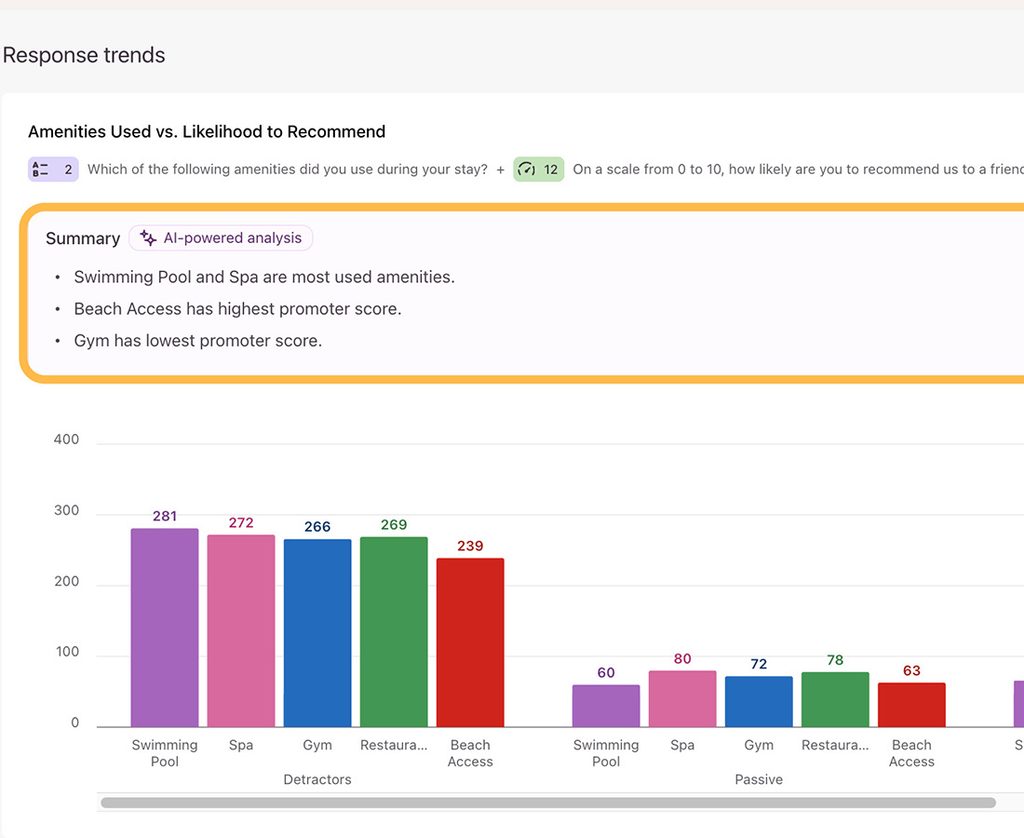
This time, I was particularly interested in Typeform‘s Smart Insights AI analysis feature. Rather than simply collecting information, I’m more concerned with discovering meaningful insights from a large number of responses and turning them into practical inspiration for my writing.
I often imagine a situation like this: after collecting feedback from many readers, I find myself facing a wide variety of answers and struggling to make sense of them. Some people want practical lifestyle tips, others prefer authentic personal stories, and some offer very specific suggestions for future articles. If I have to read every response individually and categorize everything manually, the process can take quite a bit of time.
Typeform‘s Smart Insights uses AI to analyze responses, helping me identify themes in open-ended answers and understand the trends and sentiment reflected in the feedback. I like this approach because it gives me an opportunity to discover directions worth exploring further without relying entirely on my own intuition.
What appeals to me most about this feature is its potential to help me spot clues that might otherwise go unnoticed. As the amount of feedback grows, I don’t have to spend all my time repeatedly sorting through information. Instead, I can devote more energy to the things that genuinely interest me, such as finding an engaging angle for an article, looking for relatable everyday examples, and thinking about how to make my writing more compelling.
Of course, I don’t expect AI to make every decision for me. I’d rather treat Typeform‘s analysis as a starting point, then combine its insights with individual responses and my own understanding to gradually find the creative direction that works best for me.
Finding Inspiration for My Next Article in a Single Reader’s Comment
I often encounter situations where an ordinary topic takes on a completely new direction because of something a reader says.For example, I might initially plan to write an article about organizing everyday life, focusing on making schedules and managing to-do lists. However, when reviewing feedback, I might discover that some readers are more concerned about finding time to rest during a busy day, while others want to learn how to stick with a new habit over the long term.
These seemingly small differences often make me rethink how an article should begin. I’ve started to realize that the same topic can be approached in many different ways, and the perspective that truly resonates with readers isn’t necessarily the one I thought of first.
With Typeform‘s Smart Insights, I can first look for themes that appear repeatedly in responses, then examine the actual written feedback to determine which ideas deserve further exploration. If a particular question comes up frequently, I’ll consider whether I could write a more detailed article about it or share practical solutions based on my own experiences.
I genuinely enjoy this process. Whenever I discover a new angle through readers’ responses, I feel a sense of relief, as though a new door has opened in my thinking. A topic that once seemed stuck can suddenly become interesting again because of an unfamiliar perspective.Still, I wouldn’t finalize an article topic based solely on summarized results.
I like to revisit the responses that resonate with me, think about why readers might have made those suggestions, and connect their ideas with my own experiences. To me, Typeform is more like a partner that helps me organize my thoughts. It can help me uncover useful clues, but the warmth and personality of my writing still come from my own observations, experiences, and expression.
Understanding Feedback Has Helped Me Rethink My Creative Process
In the past, I often decided what to write based on my own interests. Whenever I came across a topic I liked, I’d eagerly start gathering information, organizing my thoughts, and immersing myself in the writing process. This approach allowed me to enjoy creative freedom, but sometimes it also meant overlooking the questions my readers genuinely cared about.
Now, I’m trying to look at my content from different perspectives. I think about which articles are more likely to spark discussions, which topics deserve further exploration, and whether readers’ suggestions can help me identify areas I haven’t paid enough attention to.
Typeform‘s analysis features make it easier for me to look at feedback as a whole rather than focusing only on the immediate impression created by an individual comment. When I notice common threads among different responses, I’m more inclined to pause and reflect: Is this a topic worth following over the long term? Can I explain it more clearly in my own way?
This kind of reflection is incredibly valuable to me. It hasn’t taken away my creative freedom. Instead, it has helped me better understand why I’m writing a particular article and what I hope readers will gain from it.I’ve also gradually come to understand that knowing my audience doesn’t mean I have to cater to everyone’s preferences. Everyone has different experiences and needs, and it’s impossible for me to meet every expectation.
Rather than blindly following every opinion, I’d prefer to find a balance between my own writing style and my readers’ actual needs.That’s another reason I appreciate Typeform: it helps me understand feedback in a more organized way without deciding what I should stand for. Ultimately, the choices remain in my hands.
Making Information Organization Less of a Burden on Creativity
For me, one of the most exhausting parts of the creative process isn’t always the writing itself, but facing scattered information and not knowing where to begin. I may have plenty of ideas, yet without a clear way to organize them, they can remain undeveloped for far too long instead of becoming complete articles.
That’s why I see feedback collection, theme identification, and topic planning as interconnected steps. When analyzing a large number of written responses, Typeform‘s Smart Insights helps me identify key themes and trends more quickly, making it easier to choose topics that align with my interests, content goals, and actual circumstances.
I particularly appreciate this gradual approach because I don’t have to find the perfect article topic immediately. By understanding what other people care about, I can develop my own ideas more naturally. At the same time, I know AI analysis has limitations, so I still pay attention to individual responses that may offer unique perspectives and unexpected inspiration.
To me, efficient content creation isn’t about handing everything over to technology, but knowing when to use tools and when to think independently. Typeform helps reduce the time I spend organizing information, allowing me to focus more on the writing process I genuinely enjoy.
Turning Every Conversation into a New Beginning
As I’ve spent more time writing, I’ve increasingly come to believe that one of the most valuable things I can do is connect my own ideas with my readers’ perspectives. I want my articles to do more than share my experiences; I also hope they address questions readers genuinely care about and leave them with something meaningful to think about.
Typeform‘s Smart Insights offers me a helpful way to organize feedback, identify common themes, and discover ideas that can inspire my future writing. Its value isn’t about providing perfect answers, but helping me better understand the needs and interests behind the information I collect.
I don’t expect every piece of feedback to become an article, but I believe every thoughtful suggestion deserves attention. Sometimes, even a small change in perspective can spark a new creative direction and remind me that there are always fresh topics worth exploring.
Looking ahead, I hope to continue using Typeform to organize information more effectively and make better use of reader feedback. Through ongoing writing and conversations, I want to develop a clearer way of expressing my ideas while creating content that reflects both my own vision and my readers’ genuine interests.
To me, digital communication should never make human interactions feel cold or impersonal. Instead, when information becomes easier to understand, I have more time to listen, reflect, and connect with others. Typeform has encouraged me to value these exchanges even more, and I’m excited to see where each new piece of feedback might lead.








+ There are no comments
Add yours