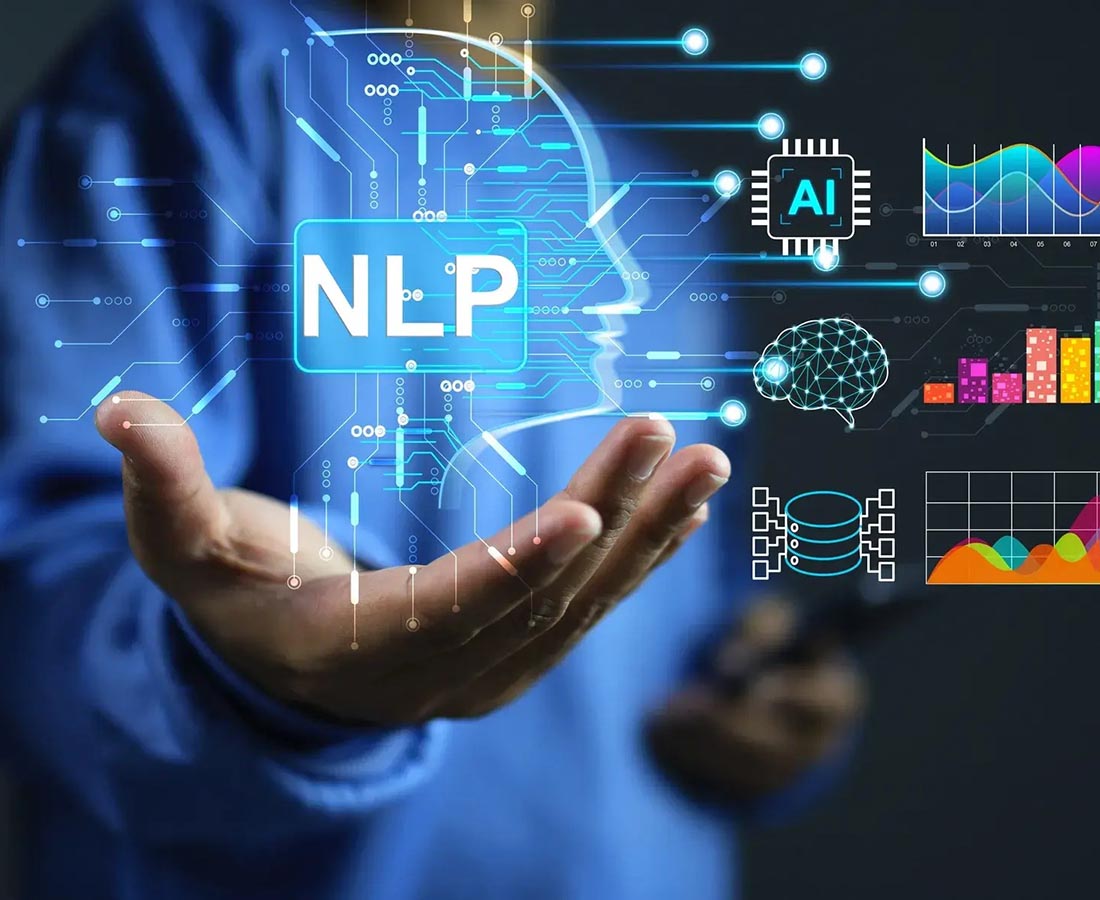
In today’s rapidly advancing technological landscape, software evolution has entered a completely new stage. In the past, the software we used relied heavily on traditional programming logic and fixed rules. However, with the continuous progress of Artificial Intelligence (AI), the functionality, efficiency, and application scenarios of software are undergoing massive changes. AI is not only changing the way we interact with software but also redefining the future shape, application scenarios, and development directions of software.
Today, I will explore the trends of future software and how artificial intelligence will deeply integrate with software, driving a revolution in the software industry. From intelligent applications to automated processes, and to human-machine collaboration, every future software will likely be an extension of “intelligence.” Against this backdrop, understanding these trends is crucial for keeping up with the times and adapting to future technological changes.
1. The Intelligentization and Self-Evolution of Software
Software used to be manually written by programmers and maintained regularly, with fixed functionality. However, with the advancement of AI technology, software is gradually moving toward intelligent and automated development. Machine learning (ML) and deep learning (DL) allow software to automatically learn from data, adapt to changes, and continuously optimize its performance.
1.1 The Integration of AI and Machine Learning
Machine learning and deep learning are key drivers of software’s intelligentization. By analyzing large amounts of data, software can extract patterns and regularities, make predictions, and optimize decisions. For example, recommendation systems (like those in Netflix and Spotify) analyze user behavior data to recommend content that users might like. Similarly, intelligent customer service systems understand users’ needs through Natural Language Processing (NLP) and provide personalized services.
1.2 Automated Processes and Self-Optimization
AI-powered software not only makes it intelligent but also enables software to achieve self-optimization. For example, in cloud computing environments, AI can automatically adjust server resources, predict loads, and perform load balancing to maximize the efficiency and stability of the system.
In the future, many software programs will have the ability to learn and adjust automatically, reducing the need for manual configuration and maintenance of software features, which significantly reduces human intervention.
2. Software and AI: Deep Integration in Various Application Fields
With the rapid development of AI technology, more industries are incorporating AI into software development, forming an innovative AI + Software model.
2.1 Intelligent Office and Collaboration Tools
AI’s involvement has turned office software from simple text processing tools into powerful assistants with intelligent analysis and automation functions. For example, Microsoft 365 and Google Workspace have started integrating intelligent features such as automatic completion of document content, prediction of user input, and automatic formatting adjustments. This not only boosts work efficiency but also helps users easily accomplish tedious tasks.
AI-driven collaboration tools, such as Slack and Trello, can automatically generate reports or assign tasks based on project progress and team member feedback. This makes teamwork more efficient and enhances the intelligence level of project management.
2.2 AI-Driven Customer Service and Sales
Another major application of AI is in customer service. AI technologies like ChatGPT, Dialogflow, and Watson Assistant allow intelligent customer service systems to provide 24/7 uninterrupted service, offering personalized recommendations based on customers’ historical behaviors and preferences. In retail, e-commerce, and finance sectors, AI has become a key tool in improving customer satisfaction and driving sales growth.

2.3 Automated Content Generation
AI’s generative capabilities have brought about major changes in content creation. AI can not only automatically write news articles and blog posts but also generate video and audio content. For example, OpenAI’s GPT series is capable of generating well-structured and creative content based on simple prompts.
In addition to text generation, AI also excels in video editing and image creation, making it a powerful assistant for creators.
3. AI and Software Collaboration: The Future of Work
With the deep integration of artificial intelligence and software, the future of work will undergo dramatic changes. AI will no longer be just a tool but will become an indispensable collaborator in our daily work.
3.1 New Models of Human-Machine Collaboration
In the future, software will no longer be just a tool but will become an extension of human decision-making and work. AI and software will collaborate deeply with humans, enhancing work efficiency through machine-assisted decision-making and human-computer interaction. For instance, AI can analyze vast amounts of market data to provide decision-making suggestions for managers, who can then make the final decisions based on these insights.
3.2 The Combination of Augmented Reality and Virtual Reality
The combination of artificial intelligence with Augmented Reality (AR) and Virtual Reality (VR) will offer users more immersive experiences. For example, in the retail industry, merchants can use AR and AI technologies to allow customers to virtually try on clothes or see how furniture looks in their homes. Similarly, in healthcare, the combination of AI and VR can help doctors with virtual surgery training, improving medical skills.
4. The Future of Software Security and Privacy Protection
As artificial intelligence technology becomes more widely applied, the volume of data handled by software and the sensitive information it processes are continuously increasing. How to ensure the security of user data has become an important issue for the future of software development.
4.1 Strengthening Data Privacy Protection
With the introduction of personal privacy protection regulations (such as GDPR and CCPA), future software development will focus more on protecting user privacy. AI will be used to monitor and manage data security in real-time, while software will adopt more data encryption and anonymization techniques to ensure users’ personal data is not leaked.
4.2 Adaptive Security Systems
AI will also be used to build smarter security systems. By learning from historical attack patterns and behaviors, AI can monitor potential security threats in real-time and take automated countermeasures. These adaptive security systems will effectively resist cyberattacks, virus spread, and malicious software intrusions.
5. The Infinite Potential of Future Software
With the continuous breakthroughs in artificial intelligence technology, software will no longer just be a tool but will become an intelligent and autonomous work partner. Future software will not only help us complete tasks but will proactively provide suggestions, optimize processes, and co-create with us. The rise of “smart software” will not only significantly improve our work efficiency but will also drive innovation and transformation across industries. Every future software may be an AI-driven intelligent system, greatly changing the way we live and work.








+ There are no comments
Add yours