
In this rapidly evolving digital age, software has permeated every aspect of our lives. Whether for work, study, entertainment, or personal life, we are all using various types of software. With continuous advancements in technology, the variety of software has expanded significantly, covering areas from system management and data security to business operations. From office tools to creative design, from social platforms to online education, software is becoming increasingly intelligent and personalized, integrating into every moment of our lives. In this article, I will explore several common types of software and show how they bring convenience, improve work efficiency, and even change the way we live.
1. System Software and Application Software
- System Software
System software refers to the fundamental drivers and operating systems in computers and devices. It is responsible for managing hardware and software resources and providing the basic operating environment. Common system software includes operating systems, drivers, and system tools. For example, the Windows operating system and macOS are typical examples of system software.
- Operating System (OS): It is the core of all computer devices, providing basic user interfaces and managing hardware and software resources. Besides Windows and macOS, Linux is also a popular open-source operating system.
- Drivers: Drivers serve as the bridge between hardware devices and the operating system. Whenever you connect an external device (like a printer or graphics card), it needs to communicate through drivers to work properly.
- System Tools: These include file managers, disk cleanup tools, and backup tools, which are used to optimize and maintain the operating system.
- Application Software
Application software is designed for users and is used to perform specific tasks. These can include productivity tools, entertainment software, and educational tools, helping us improve efficiency or enjoy life.
- Office Software: Such as Microsoft Office and Google Workspace, which include word processing, spreadsheet management, and presentation creation functions, widely used in workplaces.
- Security Software: For example, TotalAV, which protects users’ devices from viruses, malware, and online attacks. Security software ensures the system’s security through real-time monitoring and regular scanning.
- Design and Creative Software: Such as Adobe Photoshop and Autodesk AutoCAD, which are mainly used for image editing, video production, and architectural design.
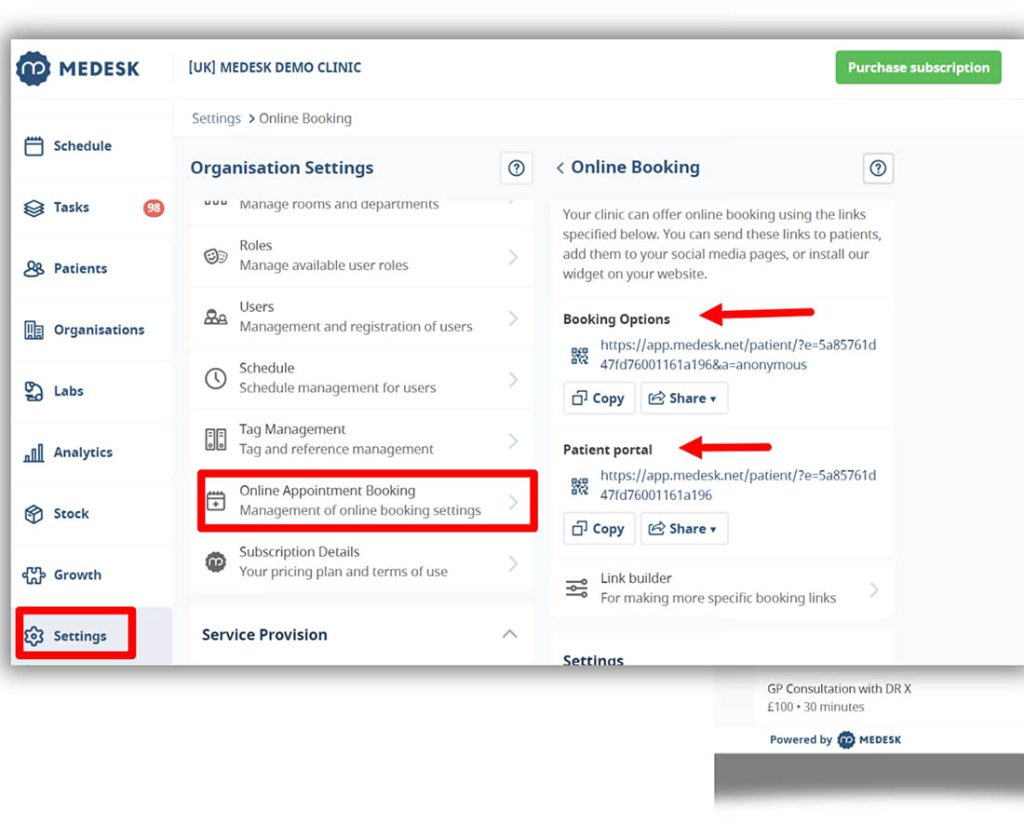
- Medical Management Software: For example, Medesk is a business management software specifically designed for the healthcare industry, helping medical institutions manage medical records, appointments, and customer relationships.
2. Business Management and Enterprise Software
As businesses increasingly embrace digital transformation, more and more companies are turning to software to help manage various business processes. Whether it’s customer relationship management (CRM), financial management, or project management, business management software can significantly improve operational efficiency.
- Customer Relationship Management (CRM) Software
CRM software helps businesses manage their relationships with customers, track customer behavior, purchase history, and assist sales teams in improving customer satisfaction. Brevo is a powerful CRM solution that helps businesses build long-term and stable relationships with customers through automated marketing, email campaigns, and more.
- Project Management Software
Project management software helps teams collaborate, organize tasks, track project progress, and ensure projects are completed on time. Tools like Trello, Asana, and Jira are widely used project management tools. They make project progress more transparent and efficient through visual panels and real-time updates.
- Enterprise Resource Planning (ERP) Software
ERP software integrates the workflows of various departments within a company, including finance, inventory, procurement, and production. SAP and Oracle are two well-known ERP software providers widely used in manufacturing, retail, and service industries.
- Financial and Accounting Software
Financial and accounting software, such as QuickBooks and Xero, helps businesses handle invoices, financial reports, tax filings, and more. These tools automate daily financial tasks, reducing errors and improving efficiency, and are ideal for small and medium-sized enterprises.
3. Specialized Software for Various Industries
Different industries require specialized software tools to enhance productivity and reduce costs. Below are some common specialized software types that play an important role in their respective industries.
- Architecture and Design Software
Industries like architecture, engineering, and urban planning use specialized design software for planning and design. Cedreo is a 3D architectural design software specifically for architects, helping users easily design houses and building models, providing high-quality renderings, and supporting various output formats.
- Data Analysis and Visualization Software
Data analysis software helps users extract valuable information from big data and present it visually. Tableau and Power BI are two popular data visualization tools widely used by data analysts and business decision-makers to gain deeper insights into data and make informed decisions.
- Educational and Online Learning Software
With the rise of online education, many educational institutions and individuals are turning to educational software for course delivery, assignment management, and learning assessment. Moodle and Google Classroom are excellent tools that assist teachers and students in remote education.
4. Artificial Intelligence and Machine Learning Software
Artificial intelligence (AI) and machine learning (ML) software are rapidly developing and being widely applied across various fields. Whether it’s data processing, natural language processing, or image recognition, AI and ML software are providing innovative solutions for many industries.
- AI Assistants: Such as Google Assistant, Amazon Alexa, and Siri, help users with voice control and intelligent search.
- Machine Learning Platforms: Such as TensorFlow and PyTorch, help developers create, train, and deploy machine learning models. These are widely used in fields such as autonomous driving, financial analysis, and health monitoring.

5. Standards and Suggestions for Choosing Software
When choosing software, the following factors should be considered to select the most suitable tool:
- Requirement Matching: First, clarify the functions you need and choose the software that best meets those requirements. Different tasks may require different types of software. For instance, data analysis software and document editing software have very different functional needs. Therefore, understanding your core needs is the first step in choosing software.
- User Experience: The design and ease of use of the software interface. Good user experience not only increases work efficiency but also reduces the learning curve and operational errors. Software with an intuitive interface allows users to quickly understand and get started.
- Security: Ensure the software provides adequate security protection, such as data encryption, backups, etc. In the digital age, data security is crucial. Software with high-level security features, such as encryption and regular backups, helps avoid data loss or leaks.
- Cost-Effectiveness: Consider your budget and choose the most cost-effective product, avoiding overpaying for unnecessary features. Some software offers a lot of features, but many of them may not be required for most users. When choosing software, evaluate the balance between functionality and cost to ensure the software provides value.
- Support and Updates: Choose software with good customer support and regular updates to ensure long-term stability and security. Continuous updates and improvements are essential for software, especially when facing new technologies or demands. Timely updates help keep software competitive, and good customer support helps resolve any issues during use.
With technological advancements, software has deeply changed the way we work and live. From office software to industry-specific applications, each type of software has its unique functionality and role, helping people in different fields improve efficiency and foster innovation. Today, software provides enterprise-level solutions for large companies and flexible tools for small startups, helping them reduce costs, optimize processes, and improve customer experiences. Regardless of size, choosing the right tools can bring long-term competitiveness to a business.





-300x245.jpg)



+ There are no comments
Add yours