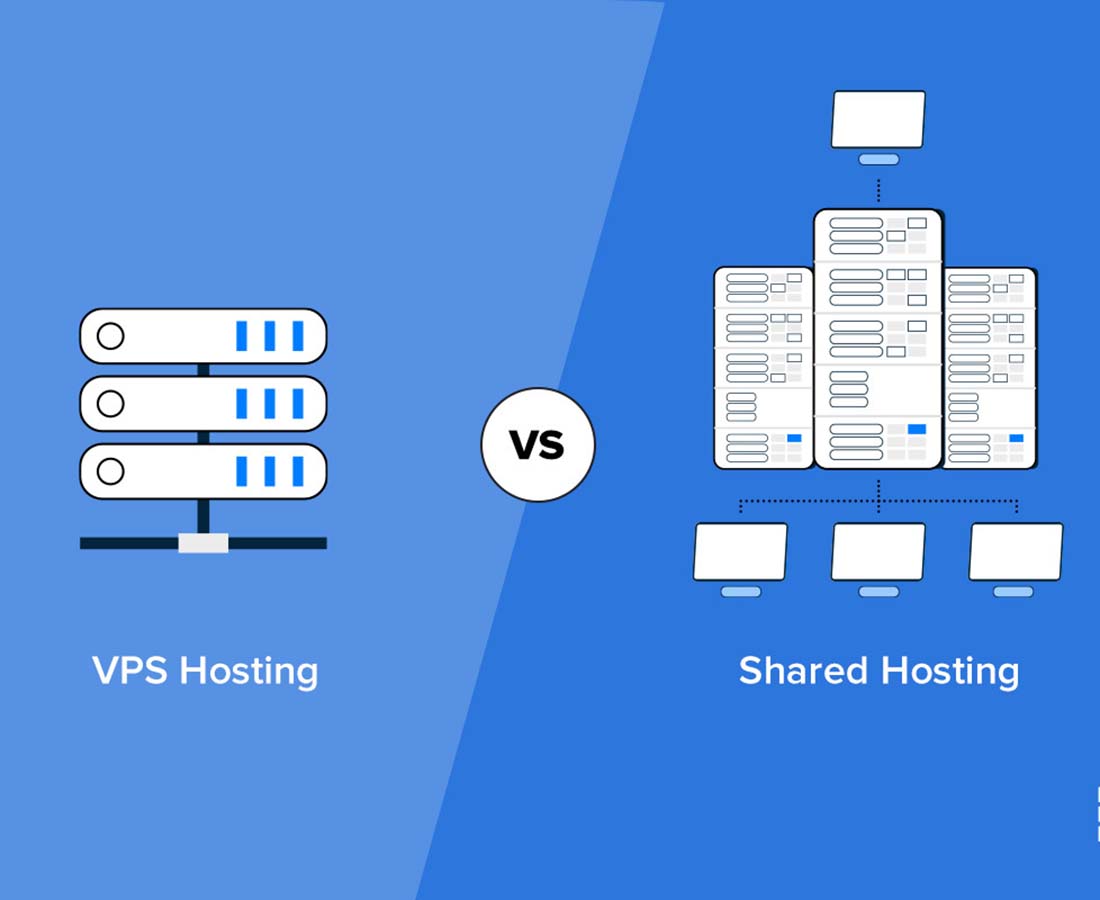
When it comes to building a website, choosing the right hosting plan is crucial. As someone with years of experience in website development, I’ve transitioned from shared hosting to VPS over time. Whether you’re a blog writer just starting out, or a growing medium-sized business, you’ll face the same decision: should you choose shared hosting or VPS (Virtual Private Server)?
Though both are types of virtual hosting services, they differ significantly in terms of performance, control, scalability, price, and more. Understanding the pros and cons of each will help you make the best decision for your website’s needs.
What is Shared Hosting?
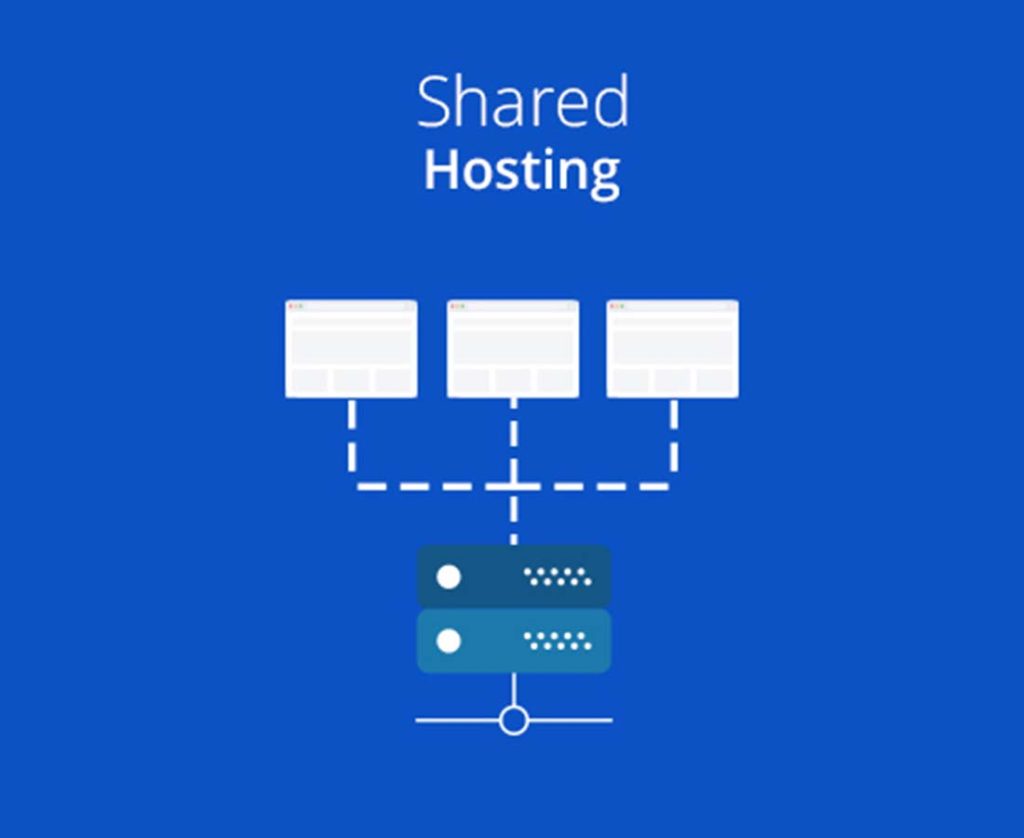
Shared hosting, as the name suggests, involves multiple users sharing the same physical server’s resources (like CPU, RAM, disk space, etc.). Each website operates within its own virtual space, but all share the same hardware and bandwidth. Shared hosting is the most affordable hosting option, ideal for those just starting out with basic websites and low traffic.
For individuals or small businesses, shared hosting offers an economical way to launch a website. You don’t have to worry about technical details, and it usually comes with one-click installation tools and an easy-to-use control panel, making it accessible for non-technical users.
Pros and Cons of Shared Hosting:
Pros:
- Affordable Cost: This is the biggest advantage of shared hosting, especially for small websites or personal blogs with a limited budget. Shared hosting plans often start as low as a few dollars a month.
- Easy to Manage: Most shared hosting providers offer user-friendly control panels (like cPanel or Plesk), allowing you to easily manage your site, set up databases, install SSL certificates, and more without technical experience.
- Great for Small Websites: If your site is relatively simple, such as a blog or small business website, shared hosting usually provides all the resources you’ll need to get started.
Cons:
- Limited Performance: The biggest downside of shared hosting is the limited resources. Because multiple websites share the same CPU, RAM, and bandwidth, a sudden traffic spike on one site could slow down or even bring down other websites hosted on the same server.
- Lower Security: Since multiple users share the same physical server, if one website is compromised, other sites on the server can be affected as well. Although providers implement certain security measures, the risk of sharing resources remains.
- Limited Scalability: As your website grows, you may outgrow shared hosting. If you experience increased traffic, you’ll need to upgrade to a more powerful solution. However, upgrading shared hosting often requires migrating to a new plan, which can be costly and time-consuming.
What is VPS (Virtual Private Server)?
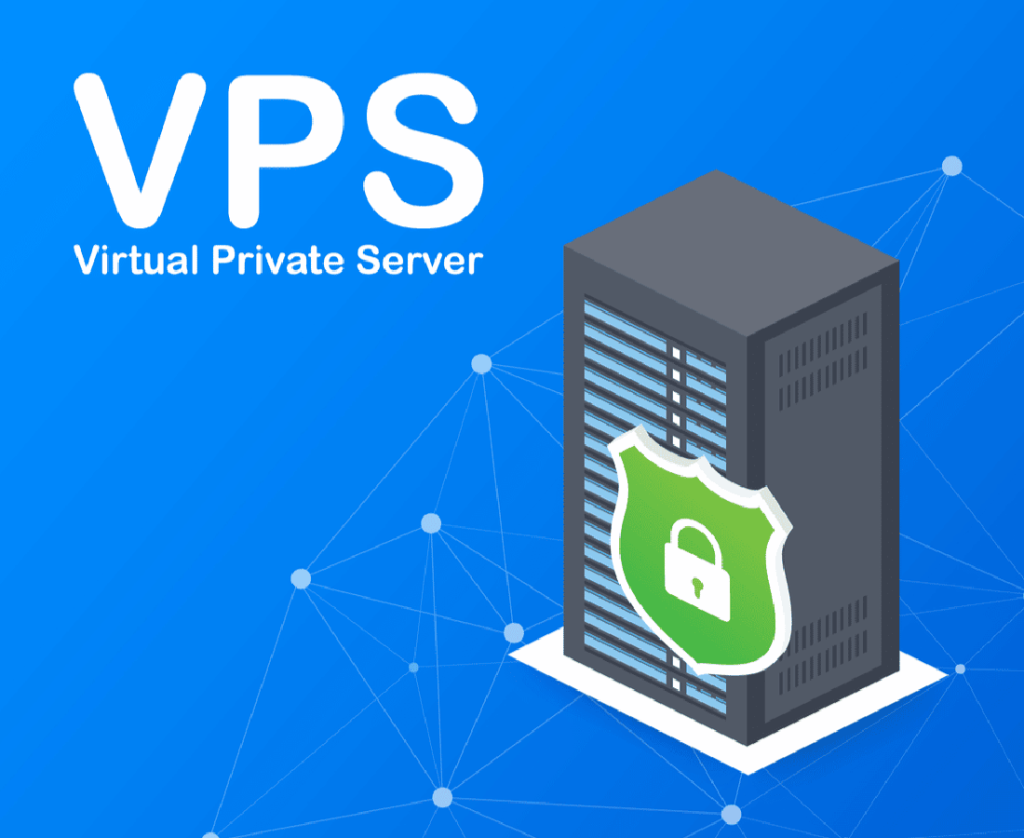
As my website grew and I faced performance bottlenecks with shared hosting, I transitioned to VPS. A VPS uses virtualization technology to divide one physical server into multiple virtual servers, each with its own operating system and dedicated resources. Unlike shared hosting, a VPS provides you with your own guaranteed resources (like CPU, RAM, and bandwidth), resulting in better performance, greater control, and improved security.
VPS is ideal for websites that need more customization, flexibility, and control—especially for medium-sized businesses, developers, and sites with expected traffic growth.
Pros and Cons of VPS:
Pros:
- Better Performance: With VPS, your resources (like CPU, RAM, and bandwidth) are dedicated to your site, meaning it won’t be affected by traffic spikes on other sites. This leads to faster load times and better overall performance.
- Better Security: VPS provides a more isolated environment compared to shared hosting. Even if another site on the same physical server is compromised, your VPS remains unaffected. Additionally, you have the flexibility to configure custom security measures to further protect your website.
- More Control: With VPS, you get full control over your server environment. You can install custom software, configure settings, and manage the server to fit your specific needs. This level of flexibility is crucial for developers or businesses with complex requirements.
- Scalability: As your website grows, you can easily scale your VPS resources. You can upgrade your CPU, RAM, and bandwidth without moving to a different server, ensuring your site remains stable and fast even as traffic increases.
Cons:
- Higher Cost: VPS hosting is more expensive than shared hosting. The increased performance and control come with a higher price tag, which might be a concern for small startups or individual blog owners.
- Requires Technical Knowledge: Although many VPS providers offer management panels (like cPanel or Plesk), you still need a certain level of technical expertise. If you choose an unmanaged VPS, you’ll be responsible for server configuration, maintenance, and security updates.
- More Maintenance: Unlike shared hosting, where the provider handles most tasks, VPS users must regularly update their operating systems, patch software vulnerabilities, and monitor server performance. If you don’t have IT staff or technical knowledge, this could be a challenge.
How to Choose the Right Hosting Plan for Your Website?
From my personal experience of transitioning from shared hosting to VPS, I’ve realized that the best hosting plan depends on your website’s needs, budget, and level of control. Here are some recommendations based on your situation:
When to Choose Shared Hosting:
- Starting Out and On a Budget: If you’re just launching a personal blog, portfolio site, or a small business website, shared hosting is an affordable way to get started. It offers the resources you need without breaking the bank.
- Low Traffic and Simple Websites: If your site’s functionality is simple, with low traffic (e.g., personal blogs or simple content pages), shared hosting is usually sufficient.
- No Need for Technical Management: If you don’t want to manage the technical aspects of your server, shared hosting is a great option since it’s easy to use and manage.
When to Choose VPS:
- Medium-Sized Websites or E-commerce Sites: If your website is growing and you need more resources to handle traffic spikes and complex functionality, VPS is a better choice. It will provide the stability and performance you need for a more professional site.
- Need for More Control and Customization: If your website requires specific server configurations or custom software installations, VPS gives you the flexibility to control the environment and install whatever you need.
- Security Requirements: If you’re handling sensitive data or need to maintain strict security measures, VPS provides a more secure and isolated environment for your website.
- Growth Potential: If you anticipate rapid growth and traffic spikes, VPS allows you to scale resources quickly without downtime, helping your website handle traffic surges smoothly.
Choose what you need—and what suits you.
Choosing between VPS and shared hosting depends entirely on your website’s needs, growth plans, and budget. If you’re starting a personal blog or a small business website with a tight budget, shared hosting is a great, cost-effective option. However, as your website grows and your needs evolve, VPS offers higher performance, greater control, and better security, making it a suitable solution for medium to large-scale websites.
From my own experience, as my site’s traffic grew and I needed more flexibility, the transition to VPS was essential for maintaining a smooth user experience and improving performance. Whatever your needs, I hope this guide helps you make an informed decision that aligns with your website’s future goals.
If you have any questions or need further assistance in choosing the right hosting plan, feel free to leave a comment below or contact me directly. I’d be happy to help!










+ There are no comments
Add yours