I used to think that the most important thing in mobile gaming was the game itself. But after playing more and more games, I realized that the payment experience directly impacts the entire gaming experience. Especially in the African market, the real problem often isn’t that the game isn’t fun, but rather the lack of smoothness in the top-up, payment, and platform experience.
Because of this, I later used platforms like Carry1st, M-Pesa, and Flutterwave. After using them for a long time, my biggest takeaway is that the difference in experience between a platform that truly understands gamers and a regular payment platform is very significant.
M-Pesa: Strong Payment Functionality, But It’s Not Essentially a Gaming Platform
My first encounter with M-Pesa wasn’t because of games. It was because it’s so widespread in many parts of Africa. Many people use it for daily transfers, payments, and even bill payments. So when I started mobile gaming, I naturally tried using M-Pesa for top-ups. Its biggest advantage is obvious: convenience. Especially its extensive local payment coverage. Often, you don’t need a credit card or complicated binding; you can complete the payment directly. This is particularly important in the African market, as not all players have international bank cards. M-Pesa is indeed very mature in terms of “localized payments.”
However, after using it for a while, I gradually realized that M-Pesa is more like a “payment tool” than a platform truly built around a gaming lifestyle. It solves payment issues, but it doesn’t offer much in terms of the “gaming experience.” For example, game discovery, player activities, the gaming ecosystem, digital entertainment content, and a sense of community are not its focus. Therefore, using M-Pesa to top up often feels more like completing a transaction than entering a truly player-centric gaming environment.
Flutterwave: Feature-rich, but more business-oriented
I also tried Flutterwave later. It’s very well-known in cross-border and online payments. Many e-commerce companies, entrepreneurs, and digital businesses use it. My first impression of Flutterwave was: professional. Its payment capabilities are strong, its coverage is wide, and its overall system maturity is very high. It’s particularly useful for business scenarios.
But here’s the problem. It leans more towards “fintech” than a gaming lifestyle. So when I actually used it for mobile gaming payments, I clearly felt that it addressed “payment logic” rather than “player experience.”
To give a simple example, people who truly enjoy mobile gaming are particularly concerned with: how fast top-ups are, how easy it is to participate in events, how smooth the purchase process is, and how easily game content is accessible. Because gaming is inherently instant entertainment. Nobody wants to have to figure out the payment process before they’re ready to play.
While Flutterwave is powerful, it’s still more geared towards a general commercial payment ecosystem. So for gaming users, it sometimes feels less “designed specifically for gamers.”
What truly attracts me to Carry1st is that it feels more like a gaming ecosystem
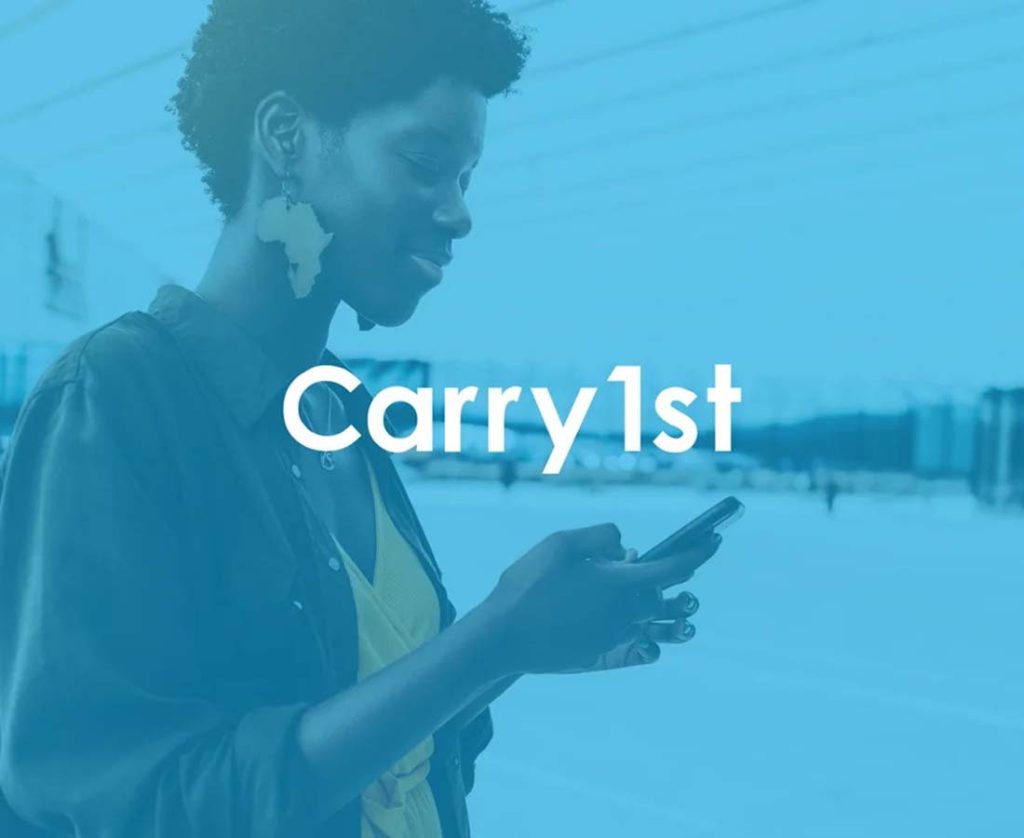
And what impressed me most about Carry1st is that it’s clearly designed with “player experience” in mind. My biggest impression from using it for the first time was: ease. The entire process is incredibly smooth. Whether it’s topping up, purchasing game content, or interacting with different mobile gaming products, there’s a feeling of: “It should be this simple.”
This is actually quite important. Many gaming platforms, while feature-rich, can be cumbersome to use. Complex payment steps, in particular, can disrupt the entire gaming experience. Carry1st is different. It makes the whole process more natural. This difference in experience is especially significant for frequent mobile gamers, impacting their willingness to use the platform long-term. Furthermore, I’ve increasingly realized that the biggest difference between Carry1st and traditional payment platforms is its deeper understanding of gaming culture.
This is quite obvious. It’s not simply about payments; it’s about building an entire ecosystem around mobile gaming and digital entertainment. This feels like a platform truly designed for gamers.
Building a gaming platform and a payment platform are completely different
After using these platforms for a while, my biggest takeaway is that gaming platforms and payment platforms fundamentally operate on two completely different logics. The core of M-Pesa and Flutterwave is still payment. Therefore, their primary focus is on: whether transactions can be completed, the stability of the payment chain, and the smoothness of fund transfers.
But Carry1st focuses more on whether players will want to stay. This difference is significant. Those truly in mobile gaming know that the gaming experience isn’t often determined by a single feature, but by the overall experience. For example: is recharging smooth? Is the content rich? Is the platform user-friendly? Are events easy to participate in? Does it align with player habits?
Carry1st, to me, consistently optimizes this overall experience. This is particularly valuable.
Now I understand more and more why mobile gaming is becoming increasingly important
Previously, many people thought mobile gaming was just about “killing time.” But now it’s completely different. It’s slowly becoming a real lifestyle. Many people play daily, watch gaming content, follow game events, and team up with friends. Many social relationships even started with games. In the African market, mobile gaming is growing particularly fast. As mobile devices become more widespread, more and more people are engaging with digital entertainment.
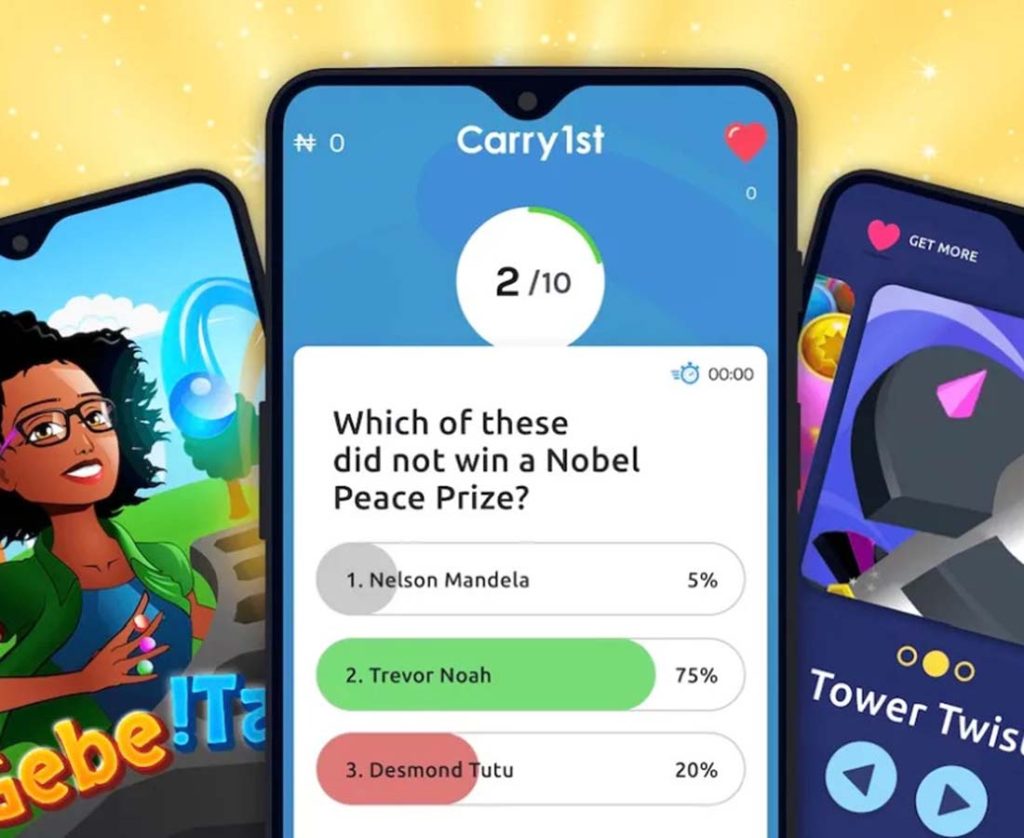
Because of this, I’ve come to realize that a truly good gaming platform is more than just a payment platform. Rather, it makes players more willing to stay within this ecosystem. This is something I particularly appreciate about Carry1st.
Carry1st is more like a platform “serving the players”
Looking back now, I increasingly feel that what truly attracts me to Carry1st isn’t any single feature, but rather its overall user-centric approach. This difference is especially noticeable for frequent mobile gaming enthusiasts. Because what truly impacts the gaming experience is often not “whether you can play,” but rather: whether the entire platform makes you feel comfortable.
And what I like most about Carry1st is how it makes the entire mobile gaming process easier and more natural.
If someone were to ask me now which platform has impressed me most in the African mobile gaming and digital entertainment sector, I would still choose Carry1st. Because it’s not just a simple payment tool. It’s more like a platform truly built around a gaming lifestyle.







+ There are no comments
Add yours